
















The Central government has launched the third phase of the Biomedical Research Career Programme (BRCP) with a total outlay of ₹1,500 crore, marking one of India’s largest investments in biomedical research and healthcare innovation. The initiative aims to strengthen the country’s scientific ecosystem by supporting researchers, accelerating medical discoveries, and developing healthcare solutions that address national priorities.
The programme has been introduced by the Department of Biotechnology (DBT) under the Ministry of Science and Technology in partnership with the UK-based Wellcome Trust. Of the total funding, ₹1,000 crore will be contributed by the DBT, while the remaining ₹500 crore will come from the Wellcome Trust. The collaboration reflects a continued commitment to advancing world-class biomedical research in India through international partnerships.
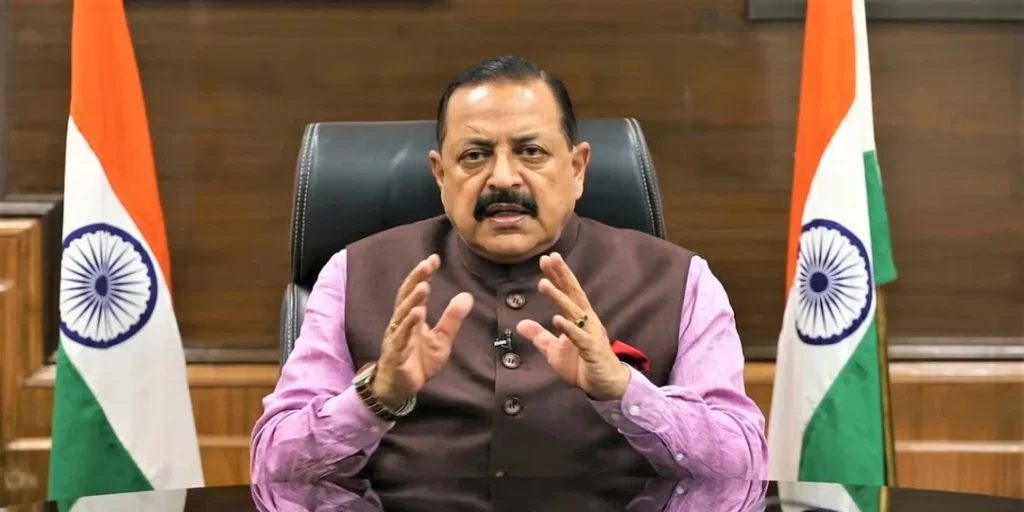
Union Minister Dr. Jitendra Singh, while launching the initiative, said the new phase of the programme is designed to nurture talented researchers and create an environment that encourages innovation in medical science. The funding will support fellowships, research grants, and collaborative projects across universities, research institutions, medical colleges, and healthcare organisations, enabling scientists to pursue cutting-edge biomedical research.
The latest phase will place a strong emphasis on translating laboratory research into practical healthcare applications. Researchers will be encouraged to develop new diagnostics, vaccines, medical technologies, and therapeutic solutions capable of addressing India’s evolving healthcare challenges. The programme also seeks to bridge the gap between academic research and commercial innovation by promoting stronger collaboration among scientists, clinicians, healthcare providers, and industry partners.
The government believes the initiative will help build a globally competitive biomedical research ecosystem while enhancing India’s ability to respond to emerging public health threats. By supporting high-quality scientific research, the programme is expected to strengthen domestic capabilities in disease prevention, precision medicine, biotechnology, and healthcare technology development.
The Biomedical Research Career Programme has already played a significant role in supporting early and mid-career researchers in previous phases. The third phase aims to expand these efforts by providing sustained financial support, encouraging interdisciplinary research, and fostering international collaborations that can accelerate scientific breakthroughs. The initiative is expected to support hundreds of researchers over the coming years, creating a robust pipeline of scientific talent.
The programme aligns with the government’s broader vision of strengthening India’s research and innovation ecosystem under the bioeconomy and healthcare missions. Increased investment in biomedical research is expected to contribute to the development of affordable healthcare technologies, indigenous medical products, and innovative treatment solutions while reducing dependence on imported technologies.
Experts believe that sustained investments in biomedical research are essential for improving healthcare outcomes and positioning India as a global leader in life sciences. With substantial financial backing and a focus on translational research, the ₹1,500 crore programme is expected to accelerate innovation, create new opportunities for researchers, and support the development of advanced healthcare solutions that benefit both India and the global scientific community.