



















A healthy diet plays a crucial role in maintaining brain function, memory, focus, and cognitive performance throughout life. Nutrition experts say that while no single food can guarantee a sharper mind, consuming nutrient-rich foods that provide omega-3 fatty acids, antioxidants, vitamins, minerals, and healthy fats can help support brain health and reduce the risk of age-related cognitive decline. Recent dietary research continues to highlight the strong connection between what we eat and how well our brains function.
Among the most beneficial foods for the brain are fatty fish such as salmon and trout. These fish are rich in omega-3 fatty acids, particularly DHA, which is an essential component of brain cells. Omega-3s help support memory, learning, and overall cognitive function while reducing inflammation that may contribute to neurological disorders.
Leafy green vegetables, including spinach, kale, and broccoli, are also considered brain-friendly foods. They contain antioxidants, vitamin K, folate, and carotenoids that help protect brain cells from oxidative stress and support healthy aging. Regular consumption of these vegetables has been linked to slower cognitive decline and improved mental performance.
Berries, particularly blueberries, are packed with flavonoids and antioxidants that may improve communication between brain cells and help protect against memory loss. Research suggests that these compounds can reduce inflammation and oxidative damage, both of which are associated with age-related cognitive decline.
Eggs are another valuable addition to a brain-healthy diet. They are rich in choline, a nutrient involved in the production of acetylcholine, a neurotransmitter important for memory and learning. Eggs also provide vitamins B6, B12, and folate, which support brain function and nerve health.
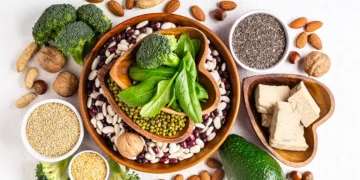
Beans and legumes offer a combination of folate, magnesium, iron, and antioxidants that contribute to healthy brain function. These nutrients support oxygen delivery to the brain, neurotransmitter activity, and protection against chronic inflammation.
Healthy fats from avocados, nuts, and seeds are also essential for cognitive health. Avocados contain monounsaturated fats that promote healthy blood flow to the brain, while walnuts, pistachios, chia seeds, and pumpkin seeds provide omega-3s, vitamin E, magnesium, zinc, and antioxidants that help maintain brain cell integrity and function.
Dark chocolate, especially varieties containing at least 70 percent cocoa, contains flavonoids, antioxidants, and small amounts of caffeine that may improve focus, mood, and blood circulation to the brain. Studies suggest that moderate consumption can support cognitive performance and mental alertness.
Whole grains such as oats, brown rice, and quinoa provide a steady supply of glucose, the brain’s primary energy source. Their fiber and B-vitamin content help support concentration and sustained mental performance throughout the day.
Experts also recommend incorporating foods such as corn tortillas, olive oil, tomatoes, and other colorful fruits and vegetables into regular meals. These foods contain polyphenols, antioxidants, and essential nutrients that support brain health and reduce inflammation.
Nutritionists emphasize that overall dietary patterns matter more than any single “superfood.” Eating a balanced diet rich in vegetables, fruits, whole grains, healthy fats, fish, nuts, seeds, and legumes—similar to the Mediterranean or MIND diet—appears to offer the greatest benefits for long-term brain health. Limiting ultra-processed foods, excess sugar, and unhealthy fats may further help preserve cognitive function as people age.