











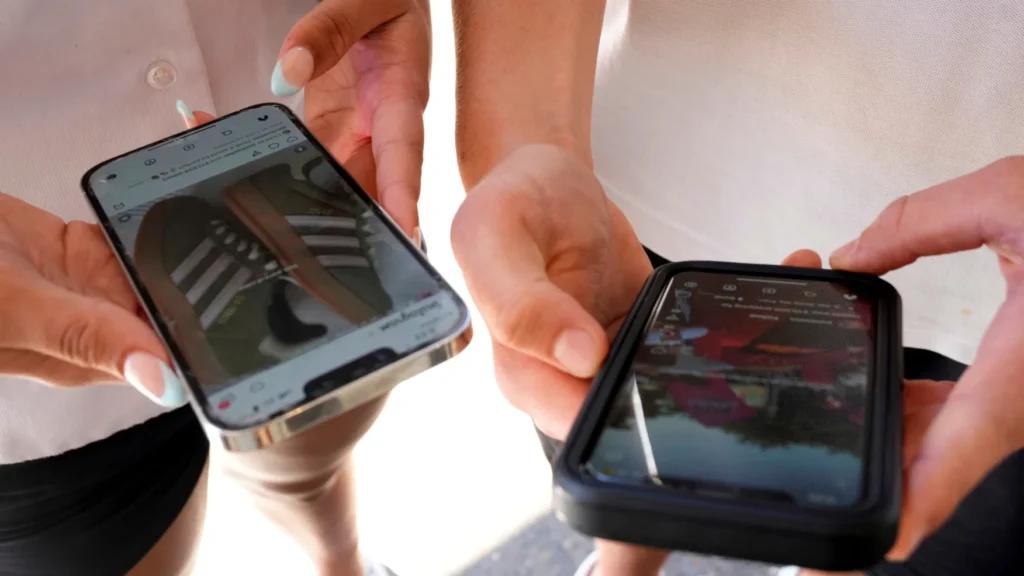
A growing number of young women are turning to social media influencers for health and wellness advice, highlighting the increasing role of digital creators in shaping lifestyle choices and healthcare decisions. According to a new Pew Research Center survey, 57% of women aged 18 to 29 say they receive health and wellness information from influencers, making them the demographic most likely to rely on such content. The findings underscore how platforms like Instagram, TikTok and YouTube have become major sources of health information for younger audiences.
The survey found that young women are significantly more likely than young men to seek guidance from influencers on topics ranging from nutrition and fitness to skincare, mental health and alternative medicine. Beauty and appearance-related content remains especially popular, with more than half of young women who follow health influencers reporting that they frequently encounter advice related to physical appearance and personal wellness. Alternative medicine and holistic health practices also feature prominently in the content they consume.
Experts note that social media has made health information more accessible by presenting it in engaging, easy-to-understand formats. Influencers often share personal experiences, practical tips and lifestyle routines that resonate with followers, creating a sense of trust and relatability. This has enabled many young people to become more aware of healthy habits, exercise routines and preventive healthcare practices that they might not otherwise have explored.
However, healthcare professionals caution that not all online advice is scientifically accurate or supported by credible evidence. While qualified doctors, dietitians and public health experts increasingly use social media to educate audiences, many influencers lack formal medical training. As a result, misleading claims about diets, supplements, skincare treatments and alternative therapies can spread rapidly, potentially affecting public health decisions.
Researchers encourage young users to evaluate the credibility of health content by checking whether information is supported by qualified medical professionals, peer-reviewed research or recognised health organisations. Consulting healthcare providers before adopting new treatments, supplements or restrictive diets remains essential, particularly for individuals managing chronic conditions or specific medical concerns.
The growing influence of digital creators has also prompted greater collaboration between public health organisations and credible medical professionals on social media. Many doctors, registered dietitians and health educators are using these platforms to counter misinformation with evidence-based content while making reliable health information more accessible and engaging for younger audiences. Studies suggest that such collaborations can help promote healthier behaviours and more realistic expectations regarding body image and overall well-being.
The findings reflect a broader shift in how younger generations consume health information. Rather than relying solely on traditional sources such as healthcare providers or printed materials, many now combine professional advice with digital content viewed through social media. As influencer-driven health communication continues to grow, experts stress that improving digital health literacy will be critical to helping users distinguish trustworthy information from misinformation and make informed decisions about their health.