

















Kerala has once again intensified its disease surveillance and containment measures after a 43-year-old man from Kozhikode tested positive for Nipah virus in a preliminary screening. The development has prompted health authorities to place the district on high alert while awaiting confirmation from the National Institute of Virology (NIV) in Pune, the country’s premier laboratory for infectious disease testing.
The patient, who was admitted to the Government Medical College Hospital in Kozhikode with symptoms consistent with Nipah infection, is currently undergoing treatment under strict medical supervision. Preliminary test results conducted locally indicated the possible presence of the virus, triggering immediate precautionary measures by the state health department. Officials have sent samples for confirmatory testing, and final results are expected shortly.
Following the suspected case, health authorities have launched extensive contact-tracing operations to identify and monitor individuals who may have come into contact with the patient. Surveillance has been strengthened across Kozhikode and neighbouring districts, while hospitals have been instructed to remain vigilant for patients displaying symptoms associated with Nipah infection.
Kerala has considerable experience in handling Nipah outbreaks, having reported multiple cases since 2018. The state’s rapid response mechanisms, developed through previous outbreaks, include aggressive contact tracing, isolation protocols, fever surveillance, and public awareness campaigns. These measures have helped contain the spread of the virus in earlier instances and are now being activated once again.
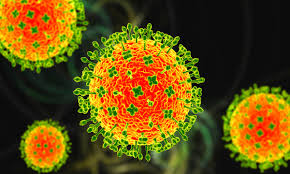
Nipah is a highly infectious zoonotic virus that can spread from animals to humans and, in some cases, from person to person through close contact with bodily fluids. Fruit bats are considered the natural hosts of the virus, although transmission can also occur through contaminated food or infected animals. The disease is known for its high fatality rate, making early detection and swift containment critical.
Symptoms of Nipah infection typically begin with fever, headache, muscle pain, vomiting, and respiratory problems. In severe cases, the illness can progress to encephalitis, causing brain inflammation, seizures, disorientation, and even coma. Because the disease can deteriorate rapidly, health experts stress the importance of immediate medical attention for anyone experiencing symptoms after possible exposure.
At present, there is no approved vaccine or specific antiviral treatment for Nipah virus infection. Medical care primarily focuses on supportive treatment, including respiratory support and management of complications. Public health authorities are therefore emphasising preventive measures such as avoiding contact with sick individuals, maintaining hygiene, consuming properly washed fruits, and following official health advisories.
The latest alert has renewed concerns because Kerala has witnessed several Nipah outbreaks over the past decade, particularly in northern districts such as Kozhikode and Malappuram. Health officials, however, have reassured the public that preparedness systems are in place and that every effort is being made to prevent any wider spread of the infection while awaiting laboratory confirmation of the suspected case.