

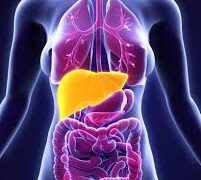


















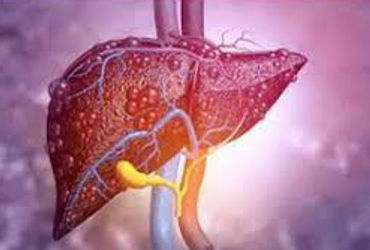
Poor sleep is emerging as a significant but often overlooked risk factor for fatty liver disease, according to health experts. While the condition is commonly associated with obesity, unhealthy eating habits, and a sedentary lifestyle, growing evidence suggests that inadequate sleep can also contribute to liver damage and metabolic disorders.
Observed annually, Global Fatty Liver Day aims to raise awareness about liver health and the factors that contribute to liver disease. Medical professionals are increasingly highlighting sleep as a critical component of overall metabolic health, alongside nutrition and physical activity. Recent studies indicate that poor sleep quality, insufficient sleep duration, and irregular sleep patterns can increase the likelihood of developing fatty liver disease, now commonly known as Metabolic Dysfunction-Associated Steatotic Liver Disease (MASLD).
According to experts, the liver relies heavily on the body’s internal biological clock, or circadian rhythm, to regulate essential functions such as detoxification, energy storage, and metabolism. When sleep is disrupted, these natural processes can become impaired. Sleep deprivation can trigger hormonal imbalances, increase inflammation, and negatively affect the body’s ability to process fats and sugars efficiently, creating conditions that encourage fat accumulation in the liver.
Medical specialists explain that chronic sleep loss can increase levels of stress hormones and reduce insulin sensitivity, both of which are linked to metabolic dysfunction. As insulin resistance develops, the body becomes less effective at regulating blood sugar and fat metabolism, increasing the risk of fat deposits building up in liver cells. Research has also shown strong connections between poor sleep, obesity, and type 2 diabetes, two major contributors to fatty liver disease.
People who work night shifts or frequently alter their sleeping schedules may be particularly vulnerable. Disruption of the circadian rhythm can interfere with the liver’s ability to manage fat and glucose metabolism, placing shift workers at greater risk of metabolic disorders. Health experts note that irregular sleep patterns can have long-term consequences even in individuals who otherwise maintain healthy diets and exercise routines.
Another concern is that fatty liver disease often develops without noticeable symptoms in its early stages. As a result, many individuals remain unaware of the condition until it progresses. If left untreated, excess fat in the liver can trigger inflammation, leading to fibrosis, cirrhosis, liver failure, and, in severe cases, liver cancer. The condition is also associated with an increased risk of cardiovascular disease and other metabolic complications.
Research suggests that improving sleep quality may significantly reduce the risk of developing fatty liver disease. Studies have found that even moderate improvements in sleep habits can lower the likelihood of liver-related metabolic problems. Experts recommend aiming for seven to eight hours of quality sleep each night, maintaining a consistent sleep schedule, reducing stress, and avoiding habits that disrupt natural sleep cycles.
Doctors stress that protecting liver health requires a comprehensive lifestyle approach. Along with a balanced diet, regular exercise, and weight management, quality sleep should be viewed as an essential pillar of disease prevention. As awareness of fatty liver disease continues to grow, healthcare professionals are urging people to prioritise restorative sleep as a simple yet powerful way to support long-term liver health and overall well-being.