














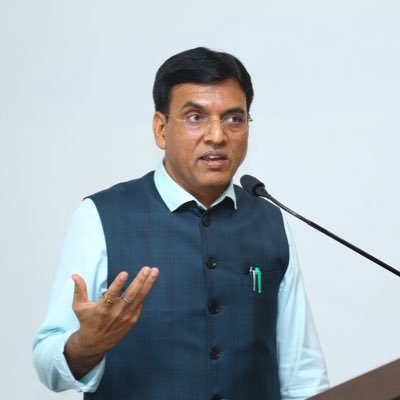
The Union Ministry of Health and Family Welfare has strengthened its efforts to eliminate leprosy in India through an intensified action plan focused on early detection, prompt treatment, community awareness, and targeted interventions in high-burden regions. The renewed strategy is part of the government’s broader commitment to achieving a leprosy-free India by 2027 and ensuring zero transmission of the disease in the coming years.
Although India achieved the World Health Organization’s benchmark for eliminating leprosy as a public health problem at the national level in 2005, new cases continue to be reported in several districts. Health officials have emphasized that the disease remains a challenge because of its long incubation period, which can range from five to twenty years. As a result, continuous surveillance and proactive case detection remain critical to preventing transmission and reducing disability among affected individuals.
The intensified action plan focuses on strengthening the National Leprosy Eradication Programme (NLEP), which provides free diagnosis, treatment, rehabilitation, and follow-up care through government healthcare facilities across the country. Under the programme, patients receive multidrug therapy free of cost, helping cure the disease and prevent its spread within communities. The government is also working to improve access to healthcare services in remote and vulnerable regions where leprosy cases are more prevalent.
A major component of the strategy is active case detection through community-based campaigns and door-to-door screening initiatives. Health workers are being encouraged to identify suspected cases early so that treatment can begin before complications develop. Early diagnosis is considered one of the most effective ways to reduce transmission, prevent disabilities, and improve the quality of life of affected individuals.
The ministry is also prioritizing contact tracing and preventive interventions among family members and close contacts of patients. These measures are intended to identify infections at an early stage and interrupt the chain of transmission. Expanded surveillance systems and regular monitoring are expected to improve programme effectiveness and support the goal of achieving zero transmission in endemic areas.
Special attention is being directed toward states and districts with a higher disease burden. Recent government assessments indicate that states such as Maharashtra, Chhattisgarh, Jharkhand, Odisha, and Madhya Pradesh account for a significant share of India’s leprosy cases. Health authorities have called for focused interventions in these regions, including enhanced screening, awareness campaigns, and improved healthcare delivery systems.
Another important aspect of the action plan is reducing the social stigma associated with leprosy. Despite being a curable disease, many patients continue to face discrimination and social exclusion. Through nationwide awareness campaigns, community engagement programmes, and educational initiatives, the ministry aims to increase public understanding of the disease and encourage timely medical consultation. These efforts are intended to promote dignity, inclusion, and support for individuals affected by leprosy.
Health officials believe that a combination of early detection, universal access to treatment, stronger surveillance, preventive care, and public awareness can significantly accelerate progress toward eliminating leprosy. By intensifying efforts under the National Leprosy Eradication Programme and focusing on high-risk areas, the government hopes to move closer to its target of making India free from leprosy transmission while ensuring better health outcomes and social acceptance for affected individuals.