




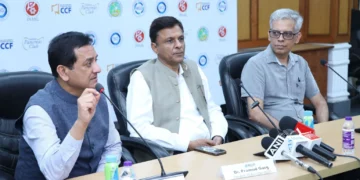










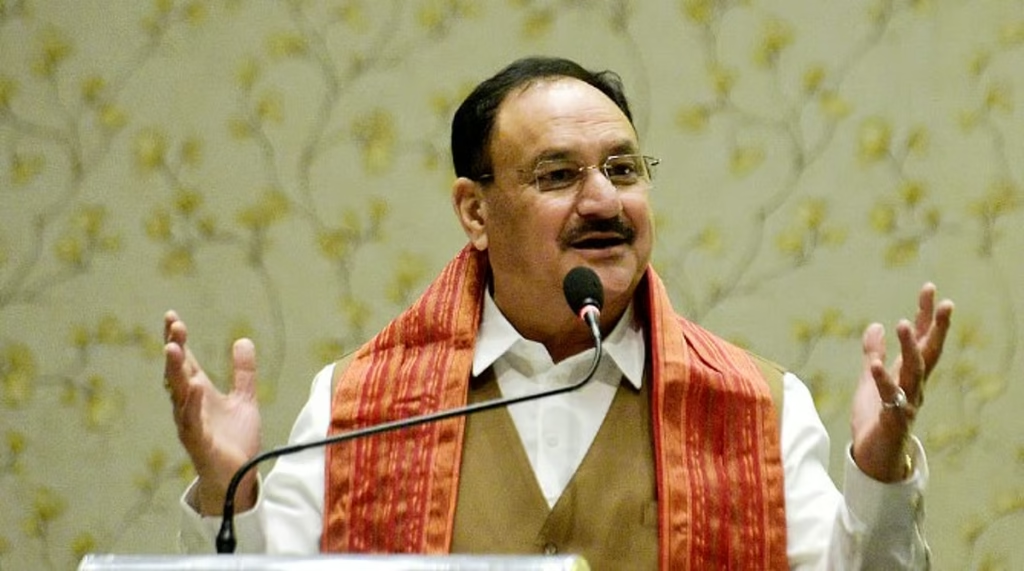
Union Health Minister Jagat Prakash Nadda chaired a high-level review meeting to assess Delhi’s preparedness for dengue prevention and control, directing authorities to intensify surveillance, strengthen hospital readiness and enhance public awareness ahead of the peak transmission season. The meeting was convened as part of the Centre’s efforts to ensure a coordinated response to the rising risk of mosquito-borne diseases during the monsoon months.
The review brought together senior officials from the Union Ministry of Health and Family Welfare, the Delhi government, municipal bodies and leading healthcare institutions. Representatives from AIIMS, Safdarjung Hospital, Dr. Ram Manohar Lohia Hospital, Lady Hardinge Medical College, Army Hospital and the New Delhi Municipal Council participated in discussions on disease surveillance, hospital preparedness, vector control and emergency response measures.
During the meeting, Nadda emphasised the importance of proactive planning rather than reactive measures. He instructed authorities to strengthen surveillance systems for the early detection of dengue cases and potential outbreaks. The minister also called for prompt reporting, continuous monitoring and rapid response mechanisms to prevent the spread of infection and minimise the public health impact.
Hospital preparedness was another key focus of the review. Healthcare facilities have been directed to maintain adequate stocks of medicines, blood components, diagnostic kits and other essential supplies. Hospitals were also advised to ensure sufficient bed capacity, dedicated dengue wards and trained healthcare personnel capable of managing any increase in patient numbers during the season. Nadda stressed that uninterrupted patient care and strict adherence to clinical management protocols would be essential for improving treatment outcomes.
The minister further instructed municipal authorities to intensify vector control measures, including eliminating mosquito breeding sites, conducting anti-larval operations and undertaking fogging activities in vulnerable areas. Officials were asked to strengthen entomological surveillance to identify emerging hotspots and implement targeted interventions before infections spread further. Areas reporting increased fever cases are expected to receive special attention under the enhanced monitoring strategy.
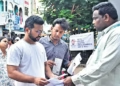
Highlighting the role of citizens in disease prevention, Nadda called for wider public participation through the theme of “Jan Chetna through Jan Bhagidari.” He urged authorities to launch extensive Information, Education and Communication (IEC) campaigns encouraging residents to prevent water stagnation, maintain cleanliness around homes and seek timely medical attention if symptoms develop. Resident Welfare Associations, educational institutions and community organisations were encouraged to actively support local prevention efforts.
Officials also reviewed Delhi’s overall dengue prevention strategy, including disease surveillance, case detection, clinical management, public awareness and inter-agency coordination. The meeting identified immediate action points to improve preparedness and ensure effective coordination among healthcare providers, civic agencies and government departments throughout the transmission season.
The review follows an earlier nationwide assessment of preparedness for dengue and malaria, reflecting the Centre’s continued focus on preventing seasonal outbreaks through early intervention and coordinated action. By reinforcing surveillance, hospital readiness, vector management and community participation, the government aims to reduce the disease burden and strengthen Delhi’s ability to respond effectively during the monsoon season.