


















The Central government has introduced stricter anti-counterfeit measures by making QR codes mandatory on the packaging of all vaccines, anti-cancer medicines, antimicrobials, and narcotic and psychotropic drugs. The move is aimed at improving the traceability of medicines across the supply chain and preventing fake or substandard drugs from reaching patients.
The new rules, notified through amendments to the Drugs Rules, 1945, will bring these categories of medicines under Schedule H2, expanding the existing track-and-trace framework. Currently, QR code-based identification is mandatory only for the country’s top 300 pharmaceutical brands. The latest decision significantly broadens its scope to cover entire categories of medicines that are critical for public health.
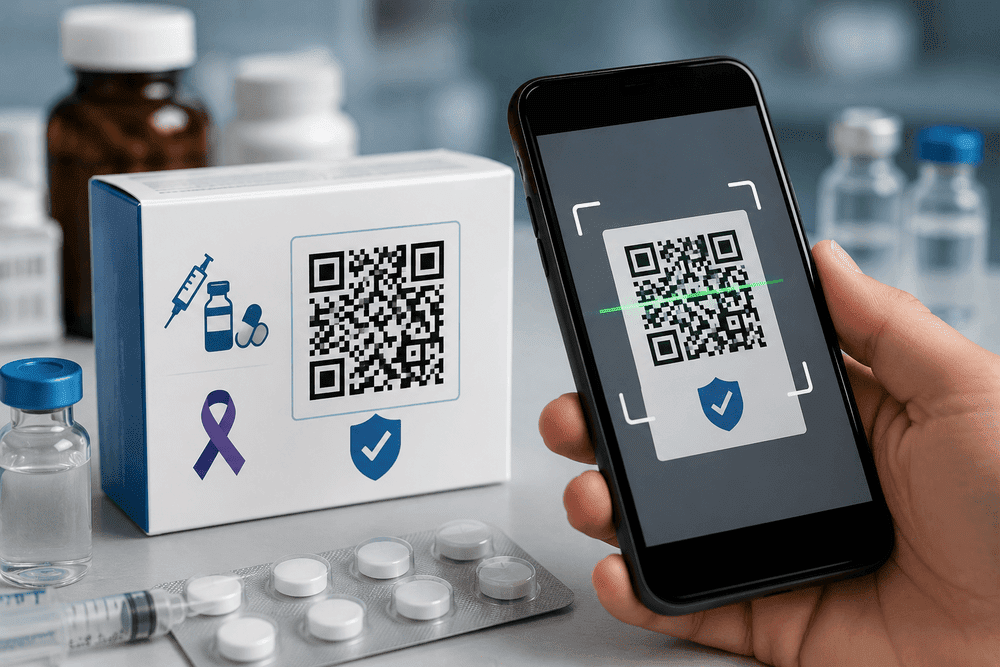
Under the revised regulations, pharmaceutical manufacturers will be required to print or affix a unique barcode or QR code on the primary packaging of every eligible medicine. If there is insufficient space on the primary pack, the code can be placed on the secondary packaging. Each code will contain essential information such as the product’s unique identification number, generic and brand names, manufacturer details, batch number, manufacturing and expiry dates, manufacturing licence number, and information on excipients wherever applicable.
The QR code system will allow regulators, healthcare providers, distributors, pharmacists, and even patients to verify the authenticity of medicines through compatible software applications. By enabling end-to-end tracking from manufacturing units to the point of sale, authorities expect the system to make it significantly harder for counterfeit medicines to enter the legal supply chain.
The decision follows growing concerns over the circulation of fake medicines, particularly expensive anti-cancer drugs. Recent investigations uncovered instances where used vials of high-value cancer medicines were illegally collected, refilled with counterfeit substances, and sold to unsuspecting patients. Such incidents highlighted major gaps in medicine traceability and strengthened the case for stricter monitoring mechanisms.
The implementation will be carried out in phases to provide manufacturers sufficient time to comply. QR code requirements for vaccines, anti-cancer medicines, and narcotic and psychotropic drugs will come into effect from July 1, 2027. Antimicrobial medicines will be covered from July 1, 2028, considering the large number of products in this category and the need for a gradual transition.
Government officials believe the expanded track-and-trace system will not only help eliminate counterfeit medicines but also strengthen regulatory oversight and improve transparency across India’s pharmaceutical supply chain. Better authentication is expected to enhance patient confidence while allowing authorities to identify and recall defective or falsified products more efficiently.
Experts also note that the new framework could support efforts to combat antimicrobial resistance by helping identify counterfeit or substandard antibiotics that contribute to ineffective treatment. With digital verification becoming an integral part of pharmaceutical packaging, India aims to build a safer and more accountable drug distribution system.
The introduction of mandatory QR codes marks a significant step towards modernising pharmaceutical regulation. By ensuring that every unit of critical medicines can be digitally verified and traced throughout its journey, the government hopes to strengthen patient safety, improve public trust, and reduce the risk posed by counterfeit medicines in the healthcare system.