






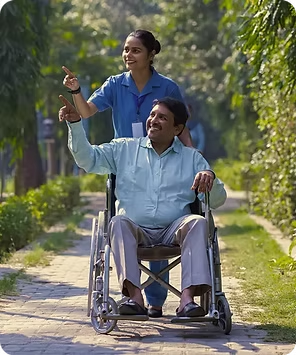











Medical experts have called for a major shift in India’s approach to elderly healthcare, urging policymakers and healthcare providers to move beyond disease-specific treatment and adopt a mobility-focused model of care. They argue that preserving an older person’s ability to move independently and perform daily activities should become the central goal of geriatric care, rather than treating individual illnesses in isolation.
According to experts, India faces a unique ageing challenge as chronic conditions such as diabetes, hypertension, arthritis and cardiovascular diseases often begin affecting people by the age of 50—almost a decade earlier than in many Western countries. This early onset of non-communicable diseases increases the likelihood of mobility limitations, disability and dependence during later years, placing additional pressure on families and the healthcare system.
Geriatric specialists emphasise that the success of healthcare for older adults should not be measured solely by disease control but by how well individuals can maintain their independence. The ability to walk, climb stairs, perform household tasks and participate in social activities has a direct impact on physical health, mental well-being and overall quality of life. Maintaining mobility also reduces the risk of falls, fractures, hospital admissions and long-term institutional care.
Experts believe that India’s healthcare system remains largely disease-centric, with treatment often focused on managing individual medical conditions through specialist consultations. While this approach is essential, they argue it overlooks broader issues such as muscle strength, balance, nutrition, cognitive function and rehabilitation, all of which are crucial for healthy ageing. They recommend integrating physiotherapy, occupational therapy, regular exercise programmes and preventive care into routine healthcare for senior citizens.
The country’s rapidly ageing population makes the need for comprehensive geriatric care increasingly urgent. Improvements in life expectancy have resulted in a growing number of older adults living with multiple chronic illnesses simultaneously. Managing these conditions requires coordinated care involving physicians, rehabilitation specialists, nutritionists, mental health professionals and caregivers, rather than isolated treatment for each disease.
Experts also stress the importance of early intervention. Encouraging physical activity, strength training, balanced nutrition and regular health assessments during middle age can help preserve mobility and delay disability in later years. Community-based rehabilitation services, age-friendly public infrastructure and home-based care are also considered essential to help older adults remain active and independent for as long as possible.
They further note that mobility is closely linked with emotional and social well-being. Older adults who retain the ability to move independently are more likely to remain socially connected, experience lower rates of depression and enjoy a better quality of life. In contrast, reduced mobility often leads to isolation, dependence and increased healthcare costs for families and society.
With India’s elderly population expected to rise significantly over the coming decades, experts believe healthcare policies must evolve to prioritise functional ability alongside disease management. A mobility-centred approach, they say, can help older adults lead healthier, more independent lives while reducing the long-term burden on the country’s healthcare system and improving overall outcomes for an ageing population.