
















A healthy eating pattern may matter more for heart health than focusing on individual nutrients, according to a new scientific statement from the American College of Cardiology.
Following an overall healthy dietary pattern may be more important for protecting heart health than concentrating on individual nutrients such as carbohydrates, fats or protein, according to a Scientific Statement from the American College of Cardiology (ACC), published in JACC.
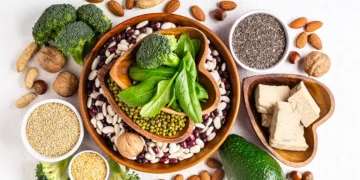
The statement reviews current evidence on nutrition and cardiovascular health and highlights the importance of choosing nutritious, minimally processed foods regularly. It recommends eating more vegetables, fruits, whole grains, nuts, legumes, healthy protein sources and foods containing unsaturated fats.
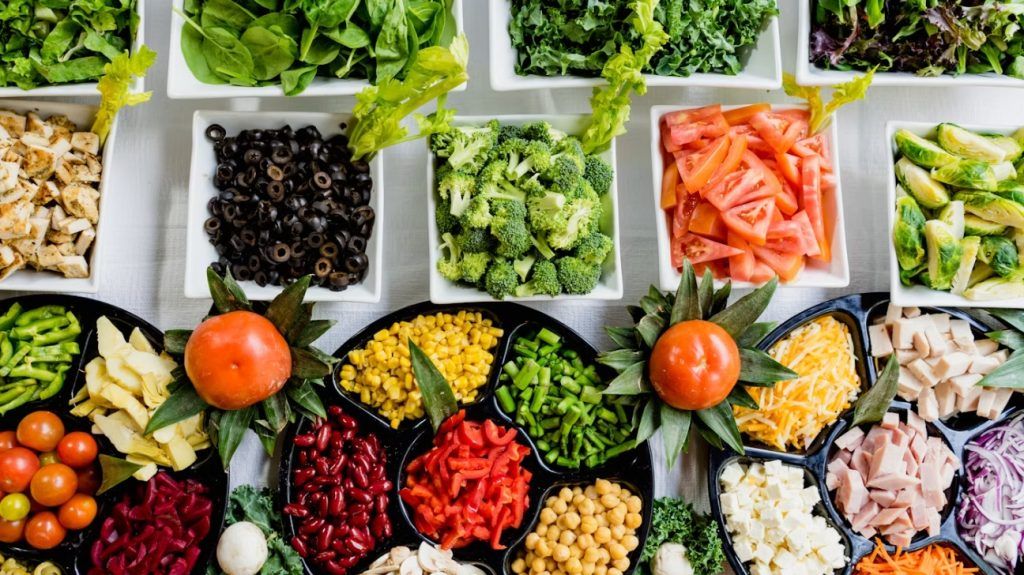
At the same time, people are advised to limit foods high in added sugars, sodium, refined starches, saturated fats and other unhealthy fats. Highly processed foods with poor nutritional value should also be limited.
The recommendations reflect a change in the way heart-healthy diets are viewed. Rather than focusing on one nutrient or food, current evidence increasingly supports complete dietary patterns such as the Mediterranean diet and Dietary Approaches to Stop Hypertension (DASH) diet.
“Ultimately, heart-healthy eating is not about focusing on a single nutrient or food or following the latest dietary trend,” said Frank B. Hu, MD, PhD, Professor and Chair of the Department of Nutrition at Harvard T.H. Chan School of Public Health and Chair of the Scientific Statement.
“What matters most is the overall quality of the diet—a consistent pattern of healthy food choices that supports cardiometabolic health and is sustainable over time,” Hu added.
The statement also points to the role of social and economic factors in healthy eating. Food availability, affordability and accessibility can influence whether people are able to maintain a nutritious diet.
For healthier choices, experts recommend replacing saturated fats with unsaturated fats from sources such as liquid plant oils, nuts, seeds and fish. Water and other unsweetened drinks are preferred over sugar-sweetened beverages.
The statement also discusses newer approaches, including GLP-1 receptor agonists and “Food Is Medicine” programmes. However, experts emphasise that maintaining a nutrient-rich diet remains important for overall health.
For more health-related news