










Heart disease is the world’s leading cause of death, but many risks can be lowered by avoiding smoking, unhealthy eating, inactivity, and chronic stress.After more than 25 years of treating heart patients and performing around 8,000 heart surgeries, US heart surgeon Dr. Jeremy London says he follows a simple approach to protecting his own heart. In a recent Instagram post, he revealed five things he tries to avoid: smoking, ultra-processed foods, a sedentary lifestyle, loneliness, and chronic stress.
His advice has attracted attention because it focuses on realistic, everyday choices rather than extreme diets or complicated workout plans. London also makes it clear that avoiding these risks cannot guarantee perfect heart health, but it can help improve your chances of keeping your heart healthier for longer.

1. Smoking
Smoking is one of the biggest preventable risk factors for cardiovascular disease. Avoiding tobacco can help protect the heart and blood vessels from long-term damage.
Marijuana, vaping and smoking
London is clear: “Smoking, every bit of it. This includes vapes, cigarettes, and marijuana. “Your lungs have one purpose. Inhale and exhale. “That’s not it,” he says. Smoking is bad for more than your lungs: Tobacco is a major bad guy in heart disease.
It damages blood vessels and increases the risk of clotting and the risk for heart attack and stroke. Even smoking cannabis may interfere with heart rhythms, cause chest pain, and, in rare cases, cause heart attacks. The risks are flagged by the American Heart Association.Vaping isn’t harmless just because it’s not a cigarette.”Nicotine and chemicals in e-cigarettes still affect heart health.

2. Highly processed food
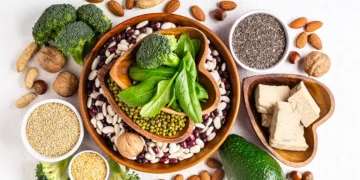
Next, London targets ultra-processed foods.He calls them edible but not ‘real food.’ His bottom line? Stick to whole foods.WHO agrees: Too much salt, sugar, saturated fat and heavily processed stuff increase heart disease risk.
His bottom line? Stick to whole foods.More fruits and vegetables, nuts, whole grains. All of that helps.Not all packaged bites are bad but pushing for fresh, minimally processed food in your diet is a smart move.

3. Too much sitting around.
Rule three: don’t just sit in London all day.We are designed to move. Go for a walk every day,” he advises. “Even a quick walk after a meal is good.Physical inactivity is a significant risk to heart health, so it’s very important to stay active regularly for the health of the heart.Exercise reduces your risk of heart disease and stroke.WHO recommends to add movement to everyday life.It doesn’t have to be difficult, just walk more, cycle, take the stairs, do chores. Hours of sitting beats anything.

4. Loneliness
Loneliness may be the most surprising entry.“Relationships take work,” London says, adding that loneliness is not just emotional, but impacts heart health.Social isolation counts.WHO: Heart disease is influenced by stress, emotional strain and wider circumstances.
Just as exercise or healthy food is protective, staying connected, building meaningful relationships and avoiding social isolation are protective.

5. Chronic stress
Chronic stress is bottom of London’s list.It’s easy to miss because it’s part of the daily grind but it’s bad news for the heart.Long-term stress affects behaviors and physical systems related to cardiovascular health.WHO points to stress as a risk, and major heart health experts suggest controlling it along with other traditional risk factors.
The bottom line?London’s advice after thousands of heart operations is not about pursuing perfect health but about protecting it through daily habits.Avoid smoking, eat nutritious whole foods most of the time, stay physically active, and make time for meaningful relationships. Deal with stress before it becomes overwhelming.
None of these habits can promise that you’ll never become ill, but they can give you the best chance of coping with whatever life brings. And remember, having a heart attack or stroke does not mean you have failed. We can’t control every aspect of our health, but the decisions we make each day can shape how well we’re prepared to face difficult challenges when they come.