







Doctors at the All India Institute of Medical Sciences have stressed the urgent need for early detection and awareness of preeclampsia, a potentially life-threatening pregnancy complication that affects both mothers and newborns. Speaking on the occasion of World Preeclampsia Day, senior AIIMS specialist Dr. Neena Malhotra highlighted the dangers associated with delayed diagnosis and treatment of the condition.
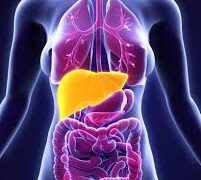
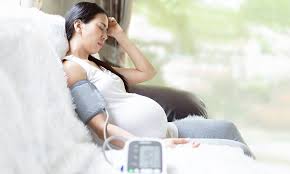
Preeclampsia is primarily characterised by high blood pressure during pregnancy and can damage several organs, including the kidneys, liver, brain, and placenta. Medical experts warned that if the condition remains untreated, it may result in severe complications such as seizures, stroke, organ failure, premature birth, and even death of both mother and child. According to doctors, the disorder generally develops after the 20th week of pregnancy and is considered one of the leading causes of maternal and neonatal illness in India.
Dr. Malhotra explained that many families continue to overlook rising blood pressure during pregnancy, often assuming it is a normal part of childbirth-related stress. She cautioned that such assumptions can be dangerous and delay timely medical intervention. Doctors at AIIMS noted that preeclampsia may not always show obvious symptoms in its early stages, making regular prenatal check-ups extremely important.
Health experts identified several warning signs linked to preeclampsia, including swelling in the hands and face, severe headaches, blurred vision, dizziness, sudden weight gain, abdominal pain, breathlessness, and reduced movement of the baby. They advised pregnant women and families to seek immediate medical attention if such symptoms appear during pregnancy.
AIIMS specialists also highlighted that preeclampsia can often be detected during the first trimester through proper screening and monitoring. Women identified as high-risk patients may benefit from preventive treatment, including low-dose aspirin therapy, which doctors said can significantly reduce the likelihood of severe complications. Monitoring blood pressure, urine protein levels, fetal growth, and maternal symptoms throughout pregnancy can help ensure early diagnosis and safer outcomes.
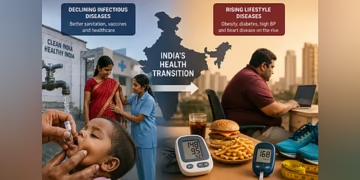
According to medical experts, preeclampsia remains a major public health concern in India, with lakhs of women affected every year. Globally, the condition impacts around five to eight percent of pregnancies and contributes to thousands of maternal and infant deaths annually. Despite the scale of the problem, awareness among families and communities remains relatively low.
Doctors also warned that the health risks associated with preeclampsia can continue even after childbirth. Women who develop the condition face a greater risk of chronic hypertension, heart disease, and stroke later in life. Experts therefore recommended long-term monitoring and healthcare support for affected mothers.
In addition to medical treatment, doctors encouraged pregnant women to adopt healthy lifestyles and avoid excessive consumption of salty and processed foods that may increase blood pressure. Stress-management practices such as yoga, when performed under proper medical guidance, were also suggested as supportive measures during pregnancy.
Medical professionals concluded that awareness, timely screening, preventive care, and early treatment remain the most effective ways to reduce maternal complications and save lives.