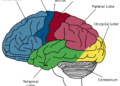





















A new international study has raised concerns about the long-term impact of junk food consumption during childhood, suggesting that diets high in fat and sugar may permanently alter brain function and eating behaviour. Researchers found that unhealthy eating habits formed early in life could continue influencing the brain even after individuals switch to healthier diets later.
The study, conducted by scientists at University College Cork’s APC Microbiome research centre, examined how high-fat and high-sugar diets affect brain regions responsible for appetite control and food-related behaviour. According to researchers, early exposure to calorie-dense processed foods disrupted the hypothalamus, the part of the brain that regulates hunger, energy balance, and feeding patterns.
Scientists used preclinical mouse models and discovered that animals exposed to junk-food-style diets during early life continued to show unhealthy eating behaviours in adulthood. Surprisingly, these behavioural changes persisted even after the unhealthy diet ended and body weight returned to normal levels. Researchers said the findings suggest that the effects of poor childhood nutrition may remain hidden and cannot always be identified through weight alone.
The research highlights growing concerns over children’s increasing exposure to highly processed foods. Experts noted that sugary snacks, fast food, fried items, and packaged products have become common in schools, parties, sports events, and even reward systems used by families. This constant exposure may shape long-term food preferences and encourage unhealthy eating habits that continue into adulthood.
Researchers also explored whether improving gut health could help reverse some of the harmful effects caused by unhealthy diets. The study tested beneficial bacteria known as Bifidobacterium longum APC1472 along with prebiotic fibres such as fructo-oligosaccharides (FOS) and galacto-oligosaccharides (GOS). These nutrients are naturally found in foods like onions, garlic, bananas, asparagus, and leeks. According to the findings, both probiotics and prebiotics showed potential in improving feeding behaviour and supporting healthier brain responses.
Lead researcher Dr. Cristina Cuesta-Marti stated that early-life dietary choices play a much bigger role in long-term health than previously understood. She explained that children may develop hidden neurological changes linked to appetite and food cravings, even if they appear physically healthy later in life.
The findings, published in the journal Nature Communications, have intensified discussions about the health risks associated with ultra-processed foods. Experts believe the study could influence future nutrition policies, especially those related to school meals, food marketing aimed at children, and public health awareness campaigns.
Several nutrition specialists have pointed out that the study was conducted on mice, meaning more research is needed before drawing direct conclusions about humans. However, many scientists say the results align with existing evidence linking processed foods to obesity, memory problems, poor concentration, and mental health issues.
Online discussions around the study also reflected public concern about the long-term consequences of processed foods. Some users noted that modern diets often normalise excessive sugar and fat consumption from an early age, while others stressed the importance of balanced nutrition rather than labelling foods as simply “good” or “bad.”
Researchers concluded that supporting healthy eating habits and maintaining a balanced gut microbiome from childhood may help protect brain health and reduce future risks of obesity and disordered eating behaviour.