
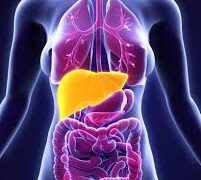
















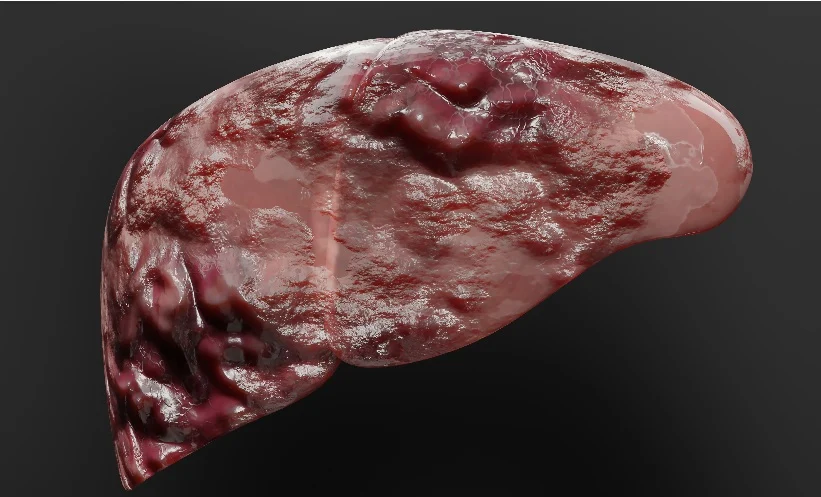
A new large-scale study from Taiwan has found that renin-angiotensin-aldosterone system (RAAS) inhibitors, a class of medicines commonly used to treat high blood pressure and heart conditions, may help reduce the risk of liver cancer in patients with metabolic dysfunction-associated steatotic liver disease (MASLD). Researchers believe the findings could open new possibilities for preventing hepatocellular carcinoma (HCC), the most common form of liver cancer.
MASLD, previously known as non-alcoholic fatty liver disease (NAFLD), has become one of the fastest-growing causes of chronic liver disease worldwide. The condition is closely linked to obesity, diabetes, hypertension, and other metabolic disorders. Health experts estimate that nearly 30 percent of the global population may be affected by some form of MASLD, increasing concern over its long-term complications, including liver fibrosis, cirrhosis, and cancer.
The Taiwanese study analysed medical records of 15,575 adults with MASLD between 2001 and 2019 using the Taiwan National Health Insurance Research Database. Researchers excluded patients with existing liver cancer, viral hepatitis, autoimmune liver disease, cirrhosis, or heavy alcohol use to ensure more accurate findings. During the follow-up period, 563 patients, or about 3.6 percent of participants, developed hepatocellular carcinoma.
According to the findings, patients using RAAS inhibitors showed a significantly lower incidence of liver cancer compared with non-users. RAAS inhibitors include medicines such as angiotensin-converting enzyme (ACE) inhibitors and angiotensin receptor blockers (ARBs), which are widely prescribed to control blood pressure and protect cardiovascular health. Researchers believe these drugs may reduce cancer risk through anti-inflammatory, anti-fibrotic, and metabolic effects that protect liver tissue from long-term damage.
The study also compared other blood pressure medicines, including calcium channel blockers, but their protective association weakened after statistical adjustments and did not consistently remain significant. Scientists noted that the benefits of RAAS inhibitors varied among patient groups, particularly those with chronic kidney disease and heart failure.
Experts say the findings are important because MASLD is rapidly replacing hepatitis B and hepatitis C as a leading cause of liver cancer in many countries. Rising obesity rates, sedentary lifestyles, poor diets, and increasing diabetes cases have contributed to the growing burden of fatty liver disease globally.
Previous research has also explored the relationship between RAAS inhibitors and liver cancer prevention, though results have been mixed. Some earlier studies suggested reduced cancer risk only in specific groups, such as women or patients taking higher cumulative doses of ARBs. Other studies reported no significant overall reduction in liver cancer incidence.
Researchers stressed that the new findings do not yet prove that RAAS inhibitors directly prevent liver cancer. Since the study was observational, further prospective clinical trials are needed before doctors can recommend these medicines specifically for cancer prevention in MASLD patients. Scientists also aim to better understand the biological mechanisms behind the possible protective effect.
Medical experts say the study nevertheless highlights the growing importance of managing metabolic health to reduce liver disease complications. Alongside medication, lifestyle changes such as weight management, healthy eating, regular exercise, diabetes control, and reduced alcohol consumption remain central to preventing MASLD progression and lowering liver cancer risk.