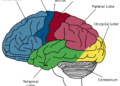

















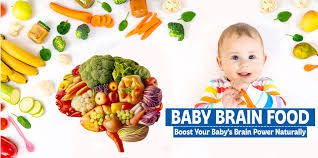
A recent study has found that higher intake of Vitamin B12 during pregnancy can significantly support early brain development in babies, especially among vegetarian women. The research highlights the crucial role maternal nutrition plays in shaping a child’s cognitive growth from the earliest stages of life.
The study, published in BMJ Paediatrics Open, was conducted across centres in India and Nepal by an international team of researchers. It focused on pregnant women in their first trimester, comparing the effects of different levels of Vitamin B12 supplementation.
Researchers found that women who received a higher daily dose of Vitamin B12 showed a substantial improvement in their nutritional status, with a notable reduction in deficiency levels. This improvement in mothers directly translated into benefits for their babies. Infants born to these women performed better in early mental development tests conducted between 9 and 12 months of age, although motor skills remained similar across groups.
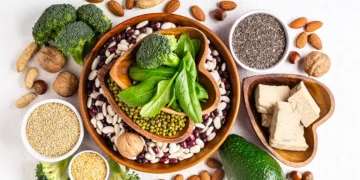
Vitamin B12 deficiency is a widespread issue, particularly in South Asia, where many people follow vegetarian diets and consume fewer animal-based foods—the primary source of this nutrient. The deficiency has been linked to delayed brain development in infants and complications during pregnancy.
Despite its importance, Vitamin B12 is often overlooked in routine prenatal care, which typically focuses more on iron and folic acid. As a result, many women enter pregnancy with undiagnosed deficiencies at a time when the baby’s brain is rapidly developing and highly sensitive to nutritional intake.
The study concludes that even modest improvements in early cognitive development can have long-term benefits, including better learning abilities, educational outcomes, and overall human potential. It emphasizes the need to include Vitamin B12 more prominently in maternal healthcare programs and dietary guidelines