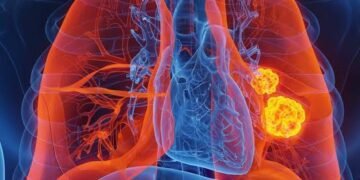
Childhood cancer has emerged as one of the leading causes of death among children in India, now ranking among the top ten, according to recent global health data.
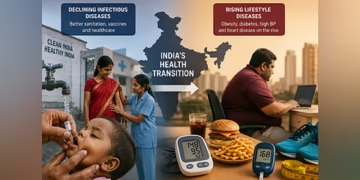
This shift reflects a broader change in disease patterns, where non-communicable diseases like cancer are becoming more prominent as infectious diseases decline.
Despite being relatively rare and often treatable, many childhood cancer cases in India are diagnosed late. Delayed detection and treatment significantly reduce survival chances, even though early-stage cancers can often be cured.
Experts point out that challenges such as limited healthcare access, lack of awareness, and delays in recognising symptoms contribute to late diagnosis—especially in rural and underserved areas.
In India, childhood cancers account for a small share of total cancer cases, but their impact is severe due to gaps in timely diagnosis and treatment systems.
Improving early detection, strengthening healthcare infrastructure, and increasing awareness among parents and primary care providers are crucial steps to reduce mortality and improve outcomes for children with cancer.