















The World Health Assembly (WHA) has officially recognised stroke as a major global public health priority by adopting its first-ever dedicated resolution on the condition. The landmark decision calls on member nations to strengthen prevention, treatment, rehabilitation, and healthcare preparedness to tackle the growing burden of stroke worldwide.
The resolution, titled “Reducing the burden of stroke: strengthening prevention, acute care, rehabilitation and health-system readiness,” was approved during the 79th World Health Assembly held in Geneva. The proposal was introduced by Egypt and co-sponsored by countries including Chile, Georgia, Palestine, Paraguay, and Tunisia.
According to the World Health Organization (WHO), stroke has emerged as one of the leading causes of death and disability globally. In 2021 alone, nearly 11.9 million new stroke cases were reported worldwide, while the overall number of people affected reached around 93.8 million. Health experts have also warned that the lifetime risk of stroke has increased sharply over the past two decades, with one in four adults now expected to experience a stroke during their lifetime.
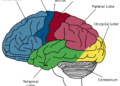
A stroke occurs when blood supply to a part of the brain is interrupted due to either a blockage or bleeding in the brain. The condition can result in severe neurological damage, long-term disability, or death if immediate medical treatment is not provided. WHO classifies strokes into two main categories — ischemic stroke, caused by blocked blood vessels, and hemorrhagic stroke, caused by ruptured blood vessels in the brain.
The WHA resolution highlights the need for a comprehensive healthcare approach covering prevention, early diagnosis, emergency treatment, rehabilitation, and long-term care support for stroke survivors. It encourages countries to integrate stroke care into broader national strategies related to non-communicable diseases (NCDs) and neurological disorders.
Health authorities have identified several major risk factors linked to stroke, many of which are preventable. These include high blood pressure, diabetes, obesity, smoking, unhealthy diets, excessive alcohol consumption, air pollution, and lack of physical activity. WHO stressed that effective management of these risk factors can significantly reduce stroke incidence worldwide.
The resolution also underlines the importance of improving public awareness regarding early stroke symptoms. Medical professionals often use the “B.E. F.A.S.T.” method for quick identification of stroke signs, including balance issues, vision problems, facial drooping, arm weakness, speech difficulty, and the need for immediate medical attention.
For countries like India, the resolution carries significant importance due to the rising burden of stroke cases and limited neurological healthcare infrastructure. Reports indicate that India continues to face shortages of neurologists and rehabilitation facilities, while stroke cases are increasingly affecting younger populations.
Global health organisations and stroke advocacy groups welcomed the WHA decision, describing it as a historic step toward improving stroke care and reducing preventable deaths and disabilities. Experts believe the resolution will encourage governments to formulate stronger national stroke policies, improve emergency healthcare systems, and expand rehabilitation services for survivors.