


















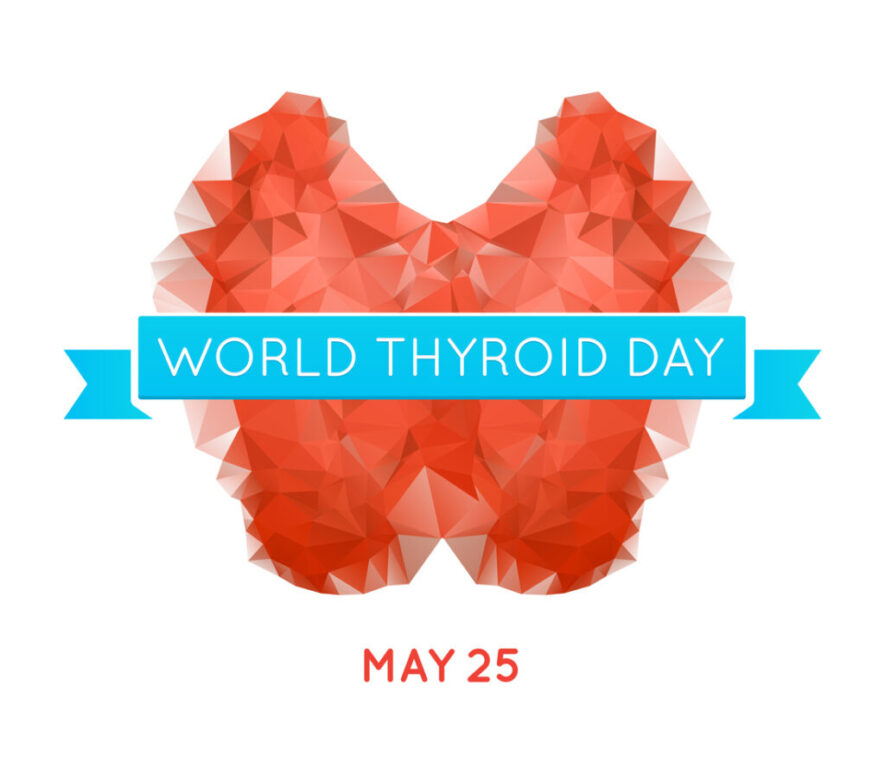
On the occasion of World Thyroid Day 2026, health experts highlighted several warning signs that may indicate thyroid-related disorders. The thyroid gland, a small butterfly-shaped organ located in the neck, plays a major role in regulating metabolism, energy levels, heart rate, mood, and body temperature. When the gland becomes overactive or underactive, it can affect nearly every system in the body.
Doctors say many thyroid symptoms are often ignored because they develop gradually and resemble everyday health issues such as stress, fatigue, or ageing. Early detection, however, can help prevent serious complications and improve overall quality of life.
One of the most common signs of thyroid imbalance is persistent fatigue. People with an underactive thyroid frequently feel tired or sluggish even after adequate rest because the body’s metabolism slows down significantly.
Unexplained weight changes are another major indicator. Hypothyroidism can lead to weight gain despite maintaining normal eating habits, while hyperthyroidism may cause sudden weight loss accompanied by increased appetite.
Changes in heart rate may also signal thyroid problems. An overactive thyroid can result in rapid heartbeat, palpitations, or irregular rhythms, whereas an underactive thyroid may slow the heart rate.
Mood swings and emotional changes are frequently associated with thyroid disorders. Anxiety, nervousness, irritability, depression, and difficulty concentrating may occur due to hormonal imbalances affecting brain function.
Sensitivity to temperature is another common symptom. People with hypothyroidism often feel unusually cold, while those with hyperthyroidism may experience excessive sweating and heat intolerance.
Hair thinning, hair fall, and dry skin can also be early warning signs. Thyroid hormones influence skin cell renewal and hair growth, so imbalances may lead to brittle hair, rough skin, and nail problems.
Digestive issues may occur as well. Hypothyroidism commonly slows digestion and causes constipation, while hyperthyroidism may increase bowel movements.
Some people develop swelling in the neck or enlargement of the thyroid gland, commonly known as goitre. This visible change should not be ignored and may require medical evaluation.
Muscle weakness, joint pain, and body aches can also indicate thyroid dysfunction. Experts note that hormonal imbalances may contribute to inflammation and discomfort in muscles and joints.
Doctors recommend consulting a healthcare professional if multiple symptoms persist for a long period. Thyroid disorders are generally diagnosed through blood tests that measure thyroid hormone levels and thyroid-stimulating hormone (TSH).
Medical experts stress that timely treatment and lifestyle management can help control thyroid disorders effectively. Awareness campaigns during World Thyroid Day aim to encourage people to recognise symptoms early and seek proper medical guidance before complications develop.