

















On World Thyroid Day 2026, health experts warned that drastically reducing food intake may actually worsen weight gain in people suffering from hypothyroidism. Doctors and nutrition specialists explained that many patients unknowingly enter a harmful cycle of extreme dieting, slower metabolism, and increased fat storage while trying to lose weight.
Hypothyroidism occurs when the thyroid gland does not produce enough hormones to regulate the body’s metabolism properly. As metabolism slows down, the body burns fewer calories, leading to fatigue, sluggishness, and gradual weight gain. Many people mistakenly believe that eating less is the quickest solution, but experts say severe calorie restriction can negatively affect thyroid function and overall health.
According to nutrition experts, when people with hypothyroidism suddenly cut calories, the body interprets it as a state of starvation. In response, the body tries to conserve energy by slowing metabolic activity even further and storing fat more aggressively. This survival mechanism may increase cortisol levels, commonly known as the stress hormone, which can contribute to abdominal fat accumulation and make weight management more difficult.
Doctors also noted that extreme dieting often causes weakness, muscle loss, poor sleep, low energy, and mood disturbances. Since thyroid disorders already affect energy production and hormone balance, inadequate nutrition may intensify symptoms rather than improve them. Patients frequently feel frustrated because they continue gaining weight despite eating very little.
Experts emphasised that proper nutrition is more important than starvation for thyroid patients. A balanced diet containing adequate protein, fibre, vitamins, and minerals can help support metabolism and hormone regulation. Nutrients such as selenium, zinc, iodine, and iron are considered especially important for healthy thyroid function because they help in hormone production and conversion.
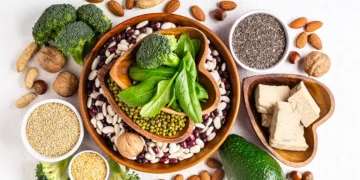
Foods like eggs, dairy products, legumes, seeds, nuts, whole grains, and iodised salt were highlighted as beneficial additions to a thyroid-friendly diet. Health specialists also encouraged maintaining regular meal timings to help stabilise insulin and cortisol levels, which may improve metabolic balance.
Medical professionals warned that many thyroid cases remain undiagnosed because symptoms often resemble stress, ageing, or lifestyle-related fatigue. Common signs of hypothyroidism include unexplained weight gain, constant tiredness, hair fall, dry skin, constipation, sensitivity to cold, depression, and irregular menstrual cycles.
Doctors also stressed the importance of proper thyroid testing. While Thyroid Stimulating Hormone (TSH) tests are commonly used, experts say additional tests may sometimes be needed to detect autoimmune conditions such as Hashimoto’s thyroiditis. Early diagnosis and timely treatment can significantly improve quality of life and prevent long-term complications.
Health awareness campaigns during World Thyroid Day aim to encourage people to recognise symptoms early and seek medical advice instead of relying on crash diets or self-diagnosis. Experts concluded that sustainable eating habits, balanced nutrition, regular exercise, stress management, and medical supervision remain the safest and most effective ways to manage thyroid-related weight gain.