


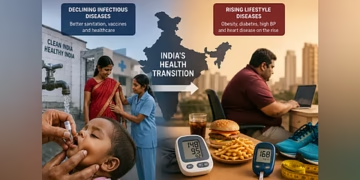















India’s latest National Family Health Survey (NFHS-6) points to a significant transformation in the country’s healthcare landscape, revealing that while progress has been made in combating traditional health challenges, a new set of concerns linked to lifestyle diseases is rapidly emerging. The findings suggest that the nation is moving beyond issues primarily centred on survival and basic healthcare access toward managing long-term health risks associated with modern lifestyles.
For decades, India’s public health efforts focused heavily on reducing maternal mortality, child deaths, infectious diseases, and malnutrition. Improvements in healthcare infrastructure, immunisation coverage, nutrition programmes, and awareness campaigns have contributed to notable gains in these areas. However, the latest survey indicates that rising rates of obesity, diabetes, hypertension, and other non-communicable diseases are becoming major public health concerns.
Health experts note that economic development, urbanisation, and changing lifestyles have significantly altered dietary and behavioural patterns across the country. Increased consumption of processed foods, reduced physical activity, longer working hours, and growing dependence on technology have contributed to a rise in metabolic disorders among both urban and rural populations.
One of the key concerns highlighted by NFHS-6 is the growing prevalence of obesity. Excess body weight is no longer restricted to affluent urban communities but is increasingly being reported across different income groups and geographic regions. This trend is particularly worrying because obesity is closely linked to a higher risk of diabetes, cardiovascular disease, and other chronic health conditions.
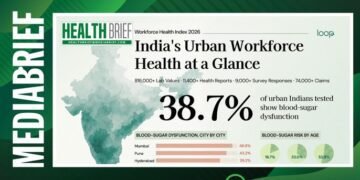
The survey also underscores the expanding burden of diabetes in India. As one of the countries with the largest diabetic populations globally, India faces mounting pressure on its healthcare system to manage the long-term consequences of the disease. Experts warn that untreated or poorly controlled diabetes can lead to severe complications, including kidney disease, vision impairment, and heart-related illnesses.
Another important observation is the coexistence of nutritional improvement and lifestyle-related health risks. While undernutrition and micronutrient deficiencies have declined in many areas, unhealthy dietary habits are contributing to a different form of malnutrition characterised by excessive calorie intake but poor nutritional quality. This reflects a broader shift in health challenges from food scarcity to dietary imbalance.
Healthcare professionals argue that preventive care must now become a central component of public health policy. Early screening, regular health monitoring, physical activity promotion, and nutrition education are increasingly viewed as essential tools for controlling the rise of non-communicable diseases. Public awareness campaigns encouraging healthier food choices and active lifestyles are expected to play a critical role in reducing future health risks.
The findings also raise concerns about younger populations. Increasing obesity levels among children and adolescents suggest that lifestyle-related diseases could begin affecting individuals at earlier ages than before. Experts believe that schools, families, and communities will need to work together to encourage healthier habits and reduce sedentary behaviour among young people.
NFHS-6 highlights the importance of adapting healthcare priorities to meet evolving challenges. While India continues to address infectious diseases and maternal-child health issues, policymakers must also strengthen strategies focused on chronic disease prevention and long-term wellness.
The survey serves as a reminder that improvements in nutrition and healthcare access, while essential, must be accompanied by efforts to promote healthier lifestyles. As India advances economically and socially, balancing development with preventive health measures will be crucial to ensuring sustainable health outcomes for future generations.
The emerging trends reflected in NFHS-6 suggest that the country’s next major healthcare challenge may not be survival alone, but maintaining long-term health in the face of rapidly changing lifestyles and disease patterns.