









India has recorded significant improvements in health, nutrition, and social development indicators, according to the findings of the sixth National Family Health Survey (NFHS-6). Released by the Ministry of Health and Family Welfare, the survey presents a comprehensive assessment of the country’s progress in maternal and child healthcare, vaccination coverage, nutrition, financial protection, and women’s empowerment. Conducted during 2023-24, the survey covered nearly 6.79 lakh households across 715 districts, making it one of the largest health-related studies undertaken in the country.
One of the most notable achievements highlighted in the survey is the improvement in maternal healthcare services. Antenatal care coverage increased from 92.6 percent in NFHS-5 to 95.9 percent in NFHS-6. More women are now receiving medical attention during the early stages of pregnancy, while the number of mothers receiving at least four antenatal check-ups has also increased. Institutional deliveries have risen to 90.6 percent, reflecting wider access to healthcare facilities and safer childbirth practices. Births attended by skilled healthcare professionals also showed improvement, contributing to better maternal and neonatal health outcomes.
The survey also points to encouraging progress in child health and immunisation. Full vaccination coverage among children aged 12 to 23 months increased from 83.8 percent to 87.1 percent. Coverage of key vaccines, including rotavirus vaccination, expanded significantly due to stronger public health infrastructure and immunisation programmes. Health experts attribute these gains to improved vaccine delivery systems, digital monitoring mechanisms, and the efforts of frontline healthcare workers across the country.
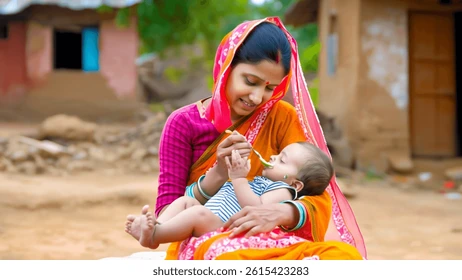
Child nutrition indicators have shown measurable improvement as well. Stunting among children under five years declined from 35.5 percent to 29.3 percent, while severe wasting dropped sharply from 7.7 percent to 5.2 percent. These improvements suggest progress in addressing long-standing challenges related to child malnutrition. Early breastfeeding practices and complementary feeding among infants have also improved, reflecting the impact of nutrition-focused government programmes and awareness campaigns.
The survey highlights growing financial protection in healthcare. Health insurance coverage among households increased from 41 percent in NFHS-5 to 60.2 percent in NFHS-6. This rise has largely been attributed to government-backed initiatives such as Ayushman Bharat-Pradhan Mantri Jan Arogya Yojana, which provides healthcare support to vulnerable families. Greater insurance coverage is expected to reduce out-of-pocket medical expenses and improve access to quality healthcare services.
Women’s empowerment indicators also recorded significant progress. Internet usage among women nearly doubled, while ownership of bank accounts and mobile phones increased substantially. The use of hygienic menstrual protection methods among young women also improved, reflecting greater awareness and access to health and hygiene resources. These developments indicate stronger financial inclusion and digital participation among women across the country.
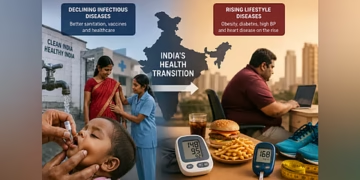
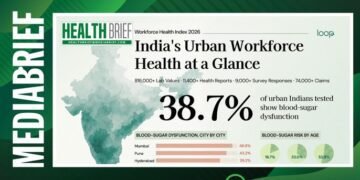
Despite the positive trends, NFHS-6 also identifies emerging challenges. Reports indicate rising levels of obesity, diabetes, and other lifestyle-related diseases, highlighting a growing burden of non-communicable illnesses. Experts describe this as a “double burden” situation, where undernutrition and infectious diseases continue to exist alongside increasing cases of chronic health conditions. Some concerns have also been raised over declining rates of exclusive breastfeeding, despite broader improvements in child health indicators.
Overall, the findings of NFHS-6 suggest that sustained investments in healthcare, nutrition, vaccination, and social welfare programmes are yielding positive results. While challenges remain, the survey reflects meaningful progress toward improving public health outcomes and strengthening the well-being of communities across India.