




















India’s latest National Family Health Survey (NFHS-6) highlights a significant shift in the country’s health landscape, revealing both encouraging progress and emerging concerns. While improvements in child health, vaccination coverage, and health insurance access signal positive outcomes, the survey also underscores a growing nutritional imbalance that threatens long-term public health. The findings point to a country grappling with a dual challenge—persistent undernutrition among children alongside rising obesity among adults.
According to the survey, nearly one-third of children under the age of five remain underweight for their age, while a substantial proportion continue to suffer from inadequate nutrition. At the same time, obesity rates among adults have risen sharply over the past few years. The proportion of overweight or obese women has increased to more than 30 percent, while the figure for men has crossed 27 percent. These trends reflect what health experts describe as the “double burden of malnutrition,” where undernutrition and excess weight coexist within the same population.
The survey also reveals encouraging developments in healthcare delivery. Health insurance coverage has expanded significantly, reaching around 60 percent of households. Childhood vaccination rates have improved, with over 87 percent of children aged 12 to 23 months now fully immunized. Institutional deliveries and antenatal care coverage have also recorded gains, demonstrating the impact of sustained public health interventions.
Despite these achievements, nutrition remains a critical concern. Reports indicate that only a small percentage of children between six and 23 months receive a minimally adequate diet. Although stunting and severe wasting have declined compared to previous survey rounds, millions of children continue to face nutritional deficiencies that can affect physical growth, cognitive development, and future productivity.
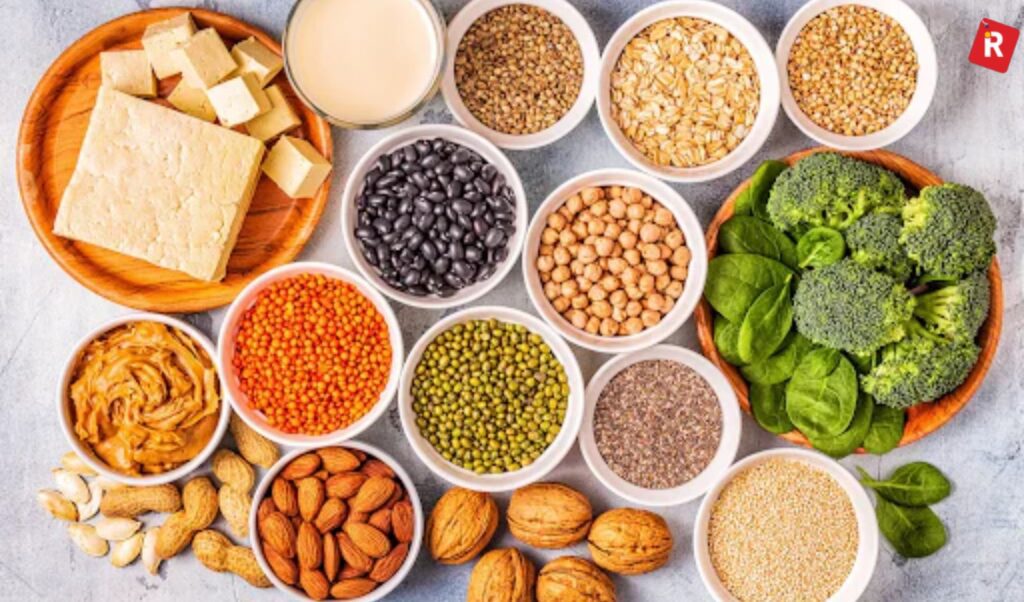
Experts note that India’s nutritional challenges are closely linked to dietary patterns and food availability. For decades, the country’s agricultural and food systems have been heavily geared toward the production of staples such as rice and wheat. While these foods play an important role in ensuring food security, they do not provide all the nutrients required for a balanced diet. Demand for protein-rich foods, fruits, vegetables, and fibre-based nutrition has increased as incomes have risen, but supply has not expanded at the same pace.
The growing consumption of processed and calorie-dense foods has added another layer to the problem. Health experts warn that poor dietary habits, combined with sedentary lifestyles, are contributing to rising obesity, diabetes, and other non-communicable diseases. NFHS-6 data suggests that India is entering a phase where lifestyle-related health conditions could place increasing pressure on families and healthcare systems.
Government initiatives such as Poshan Abhiyan, school meal programmes, and food supplementation schemes have played a role in improving nutritional outcomes. However, experts believe that lasting progress will require broader reforms. Greater awareness about healthy eating, improved access to diverse foods, and changes in agricultural policies that encourage the production of nutrient-rich crops are considered essential to addressing the country’s evolving nutritional needs.
As India advances economically, the focus of public health policy may need to shift beyond calorie availability to ensuring balanced nutrition. The NFHS-6 findings serve as a reminder that the country’s future health will depend not only on feeding its population, but also on helping people eat better and healthier.