









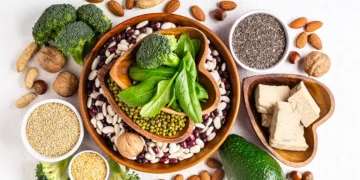






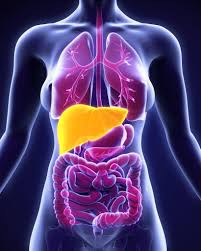
As the world observes Global Fatty Liver Day 2026, health experts are drawing attention to a growing concern: the rising obsession with high-protein diets and its potential impact on liver health. While protein remains an essential nutrient for muscle growth, weight management, and overall wellness, specialists caution that excessive consumption without proper balance may place additional stress on the liver, particularly among individuals already at risk of fatty liver disease.
Fatty liver disease, now more commonly referred to as steatotic liver disease, has emerged as a significant public health challenge. Studies suggest that nearly 38-39% of Indian adults may be affected, making it one of the country’s most widespread lifestyle-related health conditions. The disease occurs when excess fat accumulates in liver cells, impairing the organ’s ability to perform critical functions such as metabolism, detoxification, and nutrient processing.
Medical experts point to poor dietary habits, obesity, diabetes, and sedentary lifestyles as the leading causes of the condition. The increasing popularity of gym culture, low-carbohydrate eating plans, and protein-focused diets has further intensified discussions around how much protein the body actually requires and whether people are consuming more than necessary.
According to healthcare professionals, protein itself is not harmful. However, problems can arise when intake significantly exceeds the body’s needs, particularly in people with existing liver issues. Excess protein metabolism generates nitrogen waste, which the liver must process and convert into substances that can be safely eliminated from the body. In individuals with compromised liver function, this additional workload may contribute to metabolic stress and worsen existing health concerns.
Those most vulnerable include people living with fatty liver disease, obesity, diabetes, or other metabolic disorders. Experts also warn against overdependence on protein supplements and highly processed protein products, which are often marketed as quick solutions for fitness goals. The issue, they stress, is not protein consumption alone but dietary patterns that combine high protein with low fibre intake, inadequate nutrition, and excessive fat consumption.
Health specialists recommend paying attention to warning signs that may indicate liver stress. Persistent fatigue, abdominal bloating, digestive discomfort, unexplained nausea, and abnormal liver enzyme levels can signal underlying problems. In more advanced cases, symptoms such as dark urine or mild jaundice may appear. However, fatty liver disease often develops silently, making regular health check-ups important for early detection.
Dietary balance remains the cornerstone of liver health. Nutrition experts recommend that average adults consume approximately 0.8 to 1 gram of protein per kilogram of body weight, while individuals with higher physical activity levels may require moderately higher amounts under professional guidance. They also encourage incorporating whole grains, fruits, vegetables, legumes, and healthy fats into daily meals rather than focusing on a single nutrient. Hydration and regular physical activity are equally important for maintaining healthy liver function.
Experts emphasise that liver health depends on overall lifestyle choices rather than any one dietary trend. As awareness around fatty liver disease grows, medical professionals are urging people to adopt balanced eating habits, avoid extreme diets, and seek personalised nutritional advice before making major changes to their protein intake.