








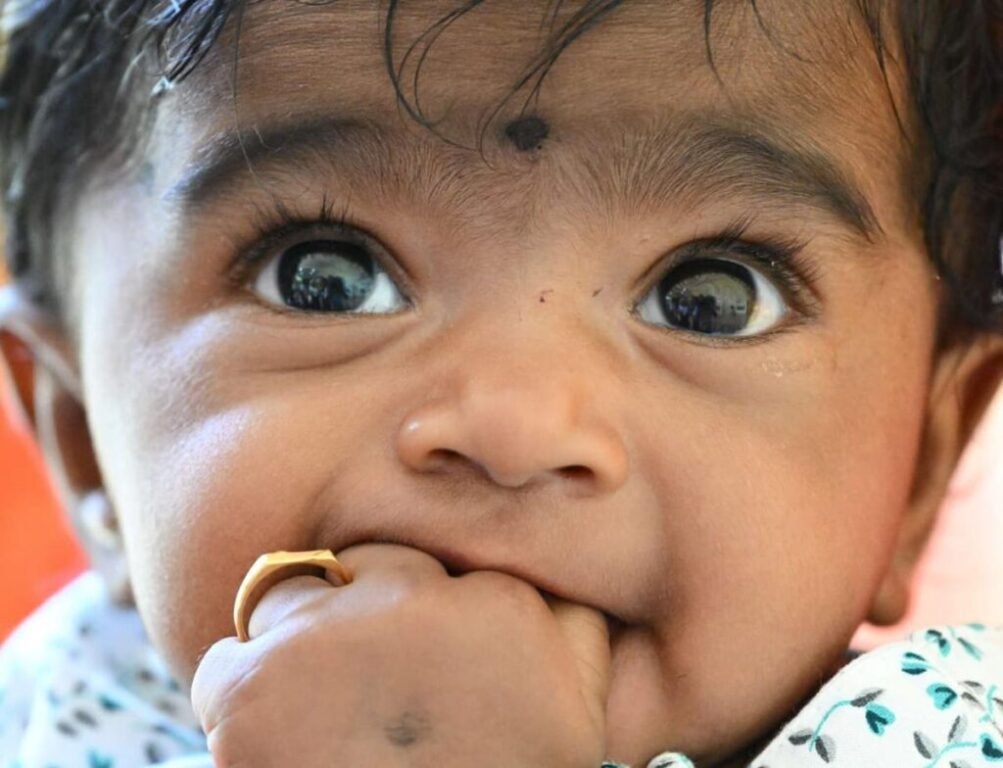
Despite high vaccination coverage, Tamil Nadu is facing fresh challenges in child nutrition, with rising wasting among children under five and poor dietary diversity among young children. The latest National Family Health Survey (NFHS-6) highlights the need for stronger nutrition support, early identification of growth problems and better follow-up through the state’s healthcare system.
According to the survey, wasting among children under five has increased from 14.6 per cent in NFHS-5 to 17.4 per cent in NFHS-6. Wasting refers to low weight for a child’s height and can indicate undernutrition. Meanwhile, only 20.6 per cent of children aged 6–23 months receive an adequate diet. The percentage of overweight children under five has declined from 4.3 per cent to 2.2 per cent.
These findings raise concerns about whether regular healthcare visits are helping children achieve healthy growth. Immunisation and growth-monitoring visits provide opportunities to identify nutrition problems, but families also need practical feeding advice and continued support.
Routine Visits Can Make a Difference
Health experts and researchers have highlighted the importance of dietary diversity, breastfeeding and timely introduction of complementary foods. Research published in 2024, covering 57,714 Indian children aged 6–23 months, found an association between minimum dietary diversity and lower odds of being underweight.
A 2025 analysis also linked dietary diversity with lower odds of stunting and zinc deficiency. However, these findings do not prove that counselling alone can solve malnutrition. Families also need access to affordable nutritious food, safe water and proper sanitation.
Evidence from a randomised trial at a Delhi health centre showed that two counselling sessions during routine immunisation visits improved exclusive breastfeeding at six months and timely introduction of complementary feeding. Although the results cannot be directly applied to Tamil Nadu, they highlight the potential of using existing healthcare visits more effectively.
Focus on Follow-Up and Accountability
The state can strengthen its approach by improving coordination between health workers and Integrated Child Development Services (ICDS) teams. District and block-level reviews should track whether children with growth concerns receive counselling, complete referrals and show improvement during follow-up assessments.
Health and ICDS teams should also monitor key indicators such as breastfeeding, dietary diversity, meal frequency and complementary feeding. Linking nutrition support with developmental monitoring and caregiver guidance during the first 1,000 days of life could further improve child wellbeing.
Tamil Nadu’s next challenge is not simply to increase healthcare visits but to make each visit count. Early identification, practical advice and consistent follow-up will be essential to ensuring that more children receive the nutrition and care they need to grow healthily.
For more health-related news