








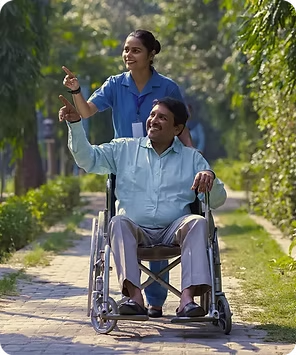












Chronic stress may do more than affect mood and sleep. Experts say prolonged stress can increase cardiovascular risk, making early intervention and healthy daily habits important for protecting heart health.
Chronic stress can quietly affect the heart and increase the risk of cardiovascular disease, according to growing evidence. When the body faces stress, it activates the “fight-or-flight” response, causing adrenaline and cortisol levels to rise. This can increase heart rate and blood pressure while narrowing blood vessels.
According to Dr Anjan Siotia, Director of Cardiology at BM Birla Heart Hospital, Kolkata, repeated stress responses can damage the endothelium, the inner lining of blood vessels. It can also increase inflammation and reduce heart-rate variability, which reflects how well the heart adapts to changes.
Over time, these effects may contribute to reduced blood flow to the heart, known as myocardial ischemia, and may increase the risk of heart attack or cardiac death in vulnerable people.

Who is most at risk?
People who already have heart disease or conditions such as high blood pressure, diabetes and high cholesterol should be particularly careful. Those facing long-term job pressure, financial difficulties or caregiving responsibilities may also face higher stress-related risks. Anxiety and depression can further add to the burden.
Stress can also affect heart health indirectly. People under constant pressure may sleep poorly, exercise less, eat unhealthy food or use more alcohol and tobacco. Some may also skip prescribed medicines, increasing existing cardiovascular risks.
How can heart health be protected?
Experts recommend simple and consistent lifestyle changes. Regular physical activity, such as 30 minutes of brisk walking on most days, can help. Getting seven to nine hours of sleep, eating more fruits, vegetables, whole grains, legumes, nuts and fish, and limiting ultra-processed foods can also support heart health.
Relaxation techniques such as slow breathing and meditation for five to 10 minutes a day may help manage stress. Staying connected with family and trusted friends can also provide emotional support.
Early medical intervention is important. Doctors can ask about stress during routine visits, monitor blood pressure and other risk factors, and recommend lifestyle changes or professional mental-health support when needed.
Managing stress early, experts say, can help protect both the mind and the heart.
For more health-related news