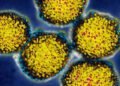





















Emerging treatments target the causes of relapse and drug resistance in pemphigus vulgaris, raising hopes for more effective and personalised care.
New treatment approaches could improve care for patients with pemphigus vulgaris, an autoimmune disease that causes painful blisters on the skin and mucous membranes. Although rituximab has significantly improved treatment outcomes, around 20% to 30% of patients either do not respond to the drug or experience a relapse after treatment.
The findings highlight the need for new therapies that target different parts of the immune system. The approaches are being investigated by researchers worldwide, with the aim of improving long-term disease control for patients who do not benefit fully from rituximab.

Why Do Patients Relapse?
Rituximab works by reducing B cells, which play an important role in producing harmful antibodies. It helps achieve complete remission without ongoing treatment in around 70% to 90% of patients.
However, some B cells return after treatment, supported by immune signals such as BAFF and APRIL. Long-lived plasma cells can also continue producing harmful antibodies because they do not carry the CD20 protein targeted by rituximab.
Other factors, including immune system activation and antibodies that reduce rituximab’s effectiveness, may also contribute to treatment failure.
New Treatments Target Different Immune Pathways
Researchers are exploring several alternatives, including newer anti-CD20 drugs such as ofatumumab, ocrelizumab and obinutuzumab. These treatments aim to improve the removal of harmful B cells, although evidence in pemphigus remains limited for most of them.
Other experimental treatments target BAFF and APRIL, which help immune cells survive and multiply. Bruton Tyrone kinase inhibitors, including rilzabrutinib, aim to disrupt immune signalling, while FcRn inhibitors such as efgartigimod help remove harmful antibodies from the bloodstream.
However, both rilzabrutinib and efgartigimod failed to meet the primary endpoints in their Phase III trials, despite promising results in earlier testing.
Another approach, DSG3-CAAR T-cell therapy, is designed to selectively target harmful immune cells that recognise desmoglein 3, a protein involved in keeping skin cells attached. Human efficacy data are still awaited.
Combination Therapy May Shape Future Care
Rather than relying on a single replacement for rituximab, researchers are considering combinations that target both antibody production and the antibodies already circulating in the body. Combining B-cell depletion with antibody removal or blocking immune signals could help prevent relapses.
These treatments remain investigational, and further clinical trials are needed to establish their safety and effectiveness. Nevertheless, they represent an important step towards more targeted treatment for patients with difficult-to-control pemphigus vulgaris.
For more health-related news