









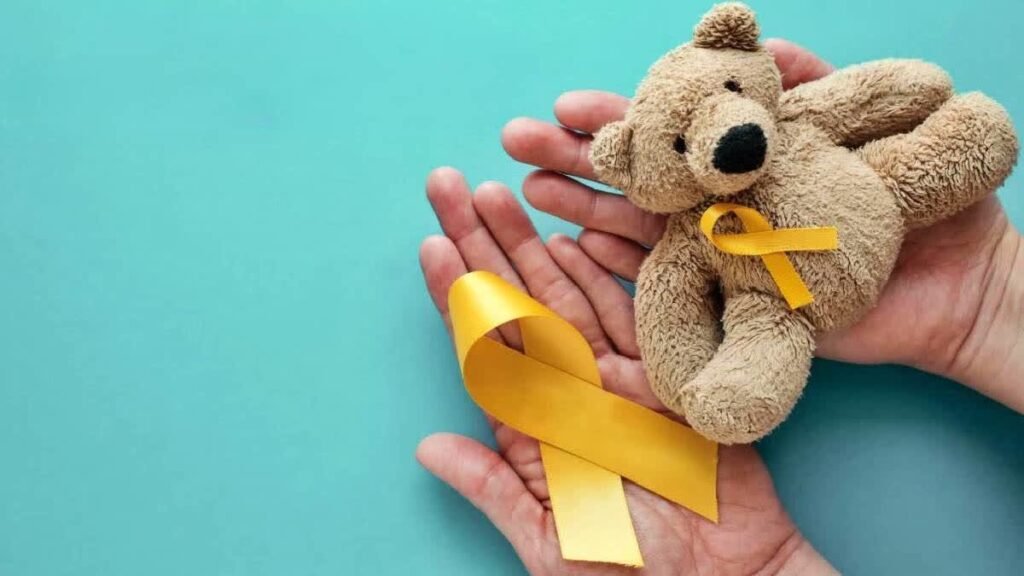
Experts urge parents to watch for persistent tiredness, unusual bruising, unexplained lumps and other symptoms that could signal childhood cancer, stressing that early medical attention can improve outcomes.
Childhood cancer is relatively rare, but early detection remains vital to improving treatment outcomes. In the UK, around 1,900 children aged 0–14 are diagnosed with cancer each year, according to Cancer Research UK. Health experts warn that early symptoms can resemble common childhood illnesses, making them easy to overlook.
The importance of recognising warning signs is highlighted by the experience of 13-year-old Amelia Carroll, who was diagnosed with acute myeloid leukaemia (AML). Her mother, Gemma, initially thought Amelia’s tiredness and breathlessness during mild activities were due to poor fitness and school-related fatigue. However, unexplained bruising raised further concerns, and doctors confirmed the diagnosis within ten days of the first bruise appearing.
Amelia is now in remission and has returned to school. She continues to undergo blood and bone marrow tests every three months.
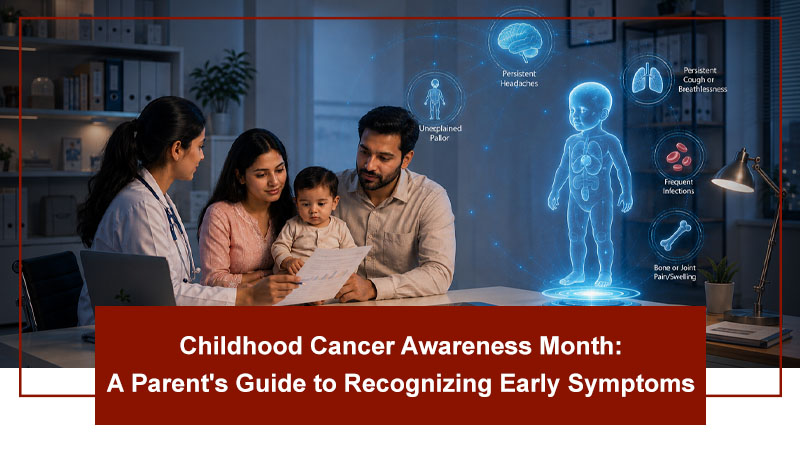
Paediatric oncologist Professor Bob Phillips advises parents to pay attention to symptoms that persist, worsen or appear together. These may include severe tiredness, unusual paleness, unexplained bruising and lumps or swellings that do not go away. While such symptoms can have many causes, persistent or unusual changes should be assessed by a healthcare professional.
A national awareness campaign supported by the Children and Young People’s Cancer Association (CCLG) promotes the “rule of three”. It encourages healthcare professionals to consider further assessment when a child has three persistent symptoms, makes three visits to a doctor or experiences unexplained symptoms for three weeks.
Another case highlights the potential consequences of delayed recognition. Jake, who died at 13 from soft tissue sarcoma, initially experienced a stuffy nose and fatigue. A later swelling at the bridge of his nose led to a medical examination that revealed a mass in his nasal cavity. His mother, Lynsey, now campaigns to improve awareness of childhood cancer symptoms.
Despite advances in treatment, experts say early diagnosis remains important. Around 80% of children diagnosed with cancer in the UK survive for five years or more, reflecting significant progress since the 1970s.Experts encourage parents to trust their concerns, seek medical advice when symptoms persist and follow up if a child’s condition does not improve. Greater awareness and timely assessment could help more children receive appropriate treatment sooner.
For more health-related news