



















Gout cases are rising worldwide, with the number of people affected projected to reach 95.8 million by 2050. Men are nearly three times more likely than women to develop the condition, which can cause sudden and severe joint pain. Doctors recommend early diagnosis, healthy eating and lifestyle changes to manage the disease.
Gout, once known as the “disease of kings”, is becoming a growing global health concern. According to the Global Burden of Disease 2021 study published in The Lancet Rheumatology, around 55.8 million people worldwide had gout in 2020. Cases increased by 150.6 per cent compared with 1990, and the number is expected to reach 95.8 million by 2050.
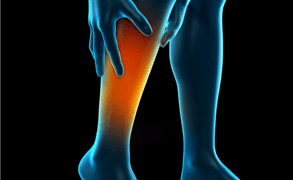
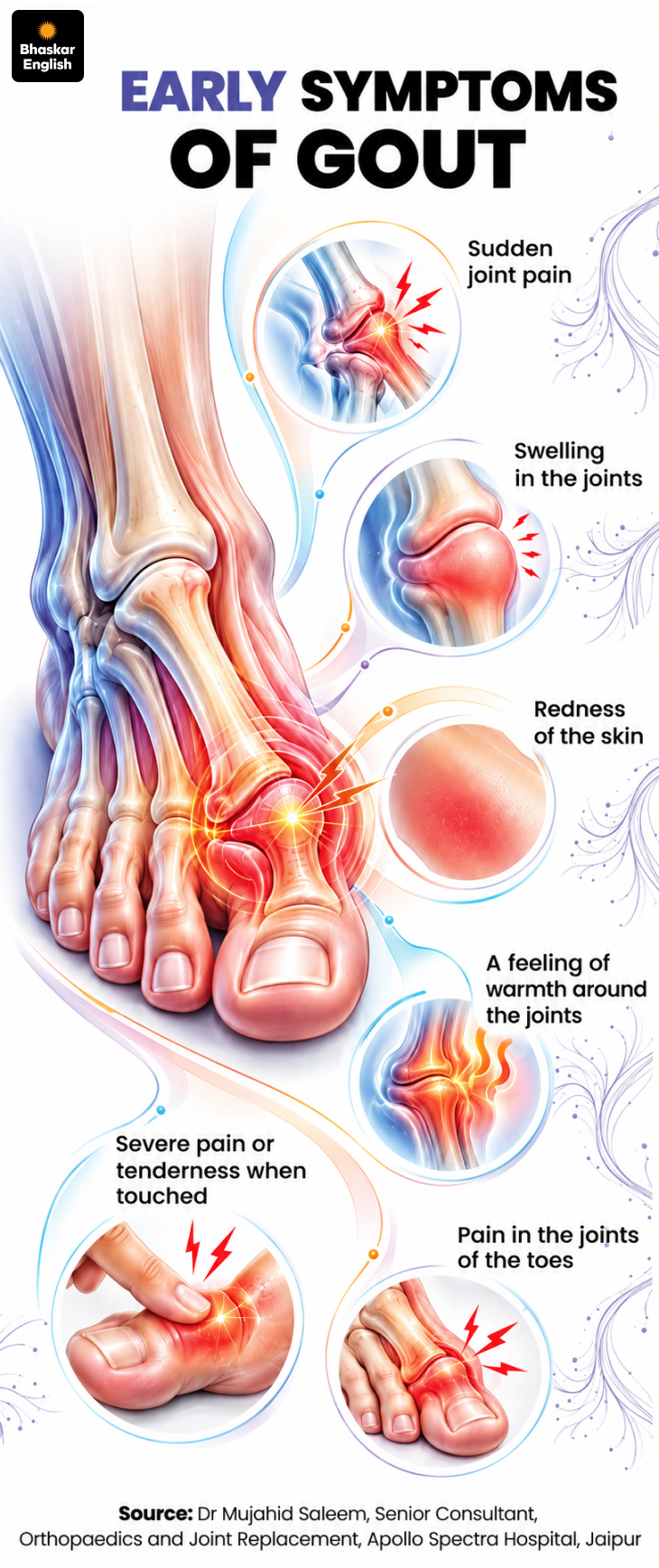
Gout is a type of inflammatory arthritis that develops when uric acid builds up in the blood and forms tiny crystals in the joints. These crystals trigger inflammation, leading to sudden pain, redness, swelling and warmth. The big toe is commonly affected, although the ankles, knees, fingers, wrists and elbows can also be involved.

Why does gout occur?
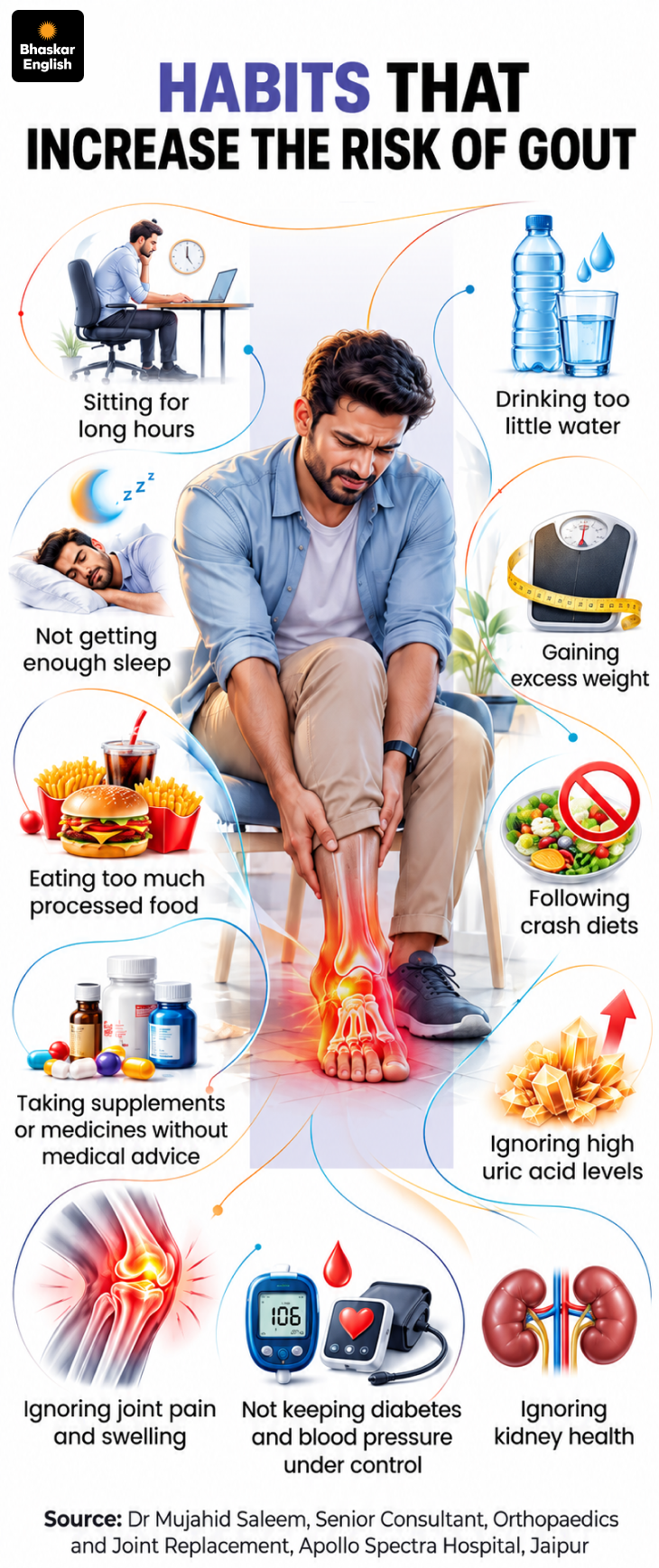
Gout develops when the body produces too much uric acid or the kidneys cannot remove enough of it. Uric acid is formed when the body breaks down purines, substances found naturally in cells and certain foods.
Red meat, seafood, alcohol, sugary drinks and foods high in added fructose may increase the risk. Excess weight, low physical activity, kidney disease, diabetes and high blood pressure can also contribute.
Who is at greater risk?
Men develop gout nearly three times more often than women. The hormone oestrogen helps the body remove uric acid, making gout less common among women before menopause. However, their risk rises after menopause. Gout can affect younger people too and is not limited to older adults.
Dr Mujahid Salim, Senior Consultant, Orthopaedics and Joint Replacement at Apollo Spectra Hospital, Jaipur, explains that managing gout involves medical treatment alongside healthy lifestyle choices.
How can gout be prevented and treated?
Doctors may prescribe medicines to control pain and inflammation during an attack. People with recurring gout may also need medicines to lower uric acid levels.
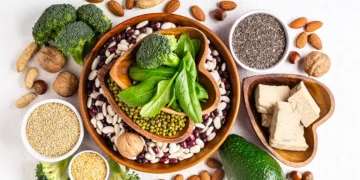
Staying hydrated, maintaining a healthy weight, exercising regularly, limiting alcohol and sugary drinks, and eating more fruits, vegetables, whole grains and low-fat dairy products can help manage the condition. Lentils and other plant-based proteins can be eaten in moderation.
For more health-related news