















Unsafe and contaminated food continues to pose a major global health threat, causing an estimated 1.5 million deaths and around 866 million illnesses every year, according to new findings released by the World Health Organization (WHO). The report highlights the widespread impact of foodborne diseases and underscores the urgent need for stronger food safety measures worldwide.
The WHO analysis, which examined data from 194 countries between 2000 and 2021, found that food contaminated by harmful bacteria, viruses, parasites, and chemical substances remains a persistent public health challenge. Although the overall burden of foodborne diseases has declined over the past two decades, significant disparities continue to exist across regions and populations.
Young children are among the most vulnerable groups affected by unsafe food. According to the report, children under the age of five face nearly three times the risk of illness compared to older children and adults. Despite representing only a small share of the global population, they account for almost one-third of all foodborne disease cases. Exposure to contaminated food can lead to severe diarrhoeal illnesses, developmental problems, and long-term health complications.
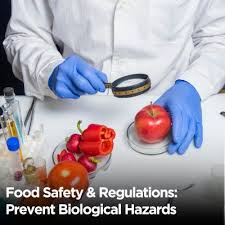
The study found that biological hazards such as bacteria, viruses, and parasites are responsible for the majority of food-related illnesses. In 2021 alone, these hazards caused approximately 860 million cases of disease worldwide. However, chemical contaminants were linked to a disproportionately large share of deaths. Substances such as inorganic arsenic and lead were identified as major contributors to mortality, increasing the risk of cardiovascular diseases, cancers, and other serious health conditions.
Regional inequalities remain a major concern. Africa and Southeast Asia together account for nearly three-quarters of all foodborne illnesses and about 60 percent of related deaths globally. Limited access to clean water, sanitation, healthcare services, and food safety infrastructure continues to increase risks in many low- and middle-income countries.
WHO Director-General Tedros Adhanom Ghebreyesus emphasized that food safety affects every individual and household. He noted that the latest estimates provide countries with clearer insights into the true scale of the problem, enabling governments to prioritize interventions and allocate resources more effectively.
Experts also warned that emerging challenges such as climate change and antimicrobial resistance are worsening food safety risks. Rising temperatures and changing environmental conditions can increase contamination levels, while drug-resistant infections make foodborne illnesses harder to treat. These factors highlight the importance of adopting coordinated approaches that link human, animal, agricultural, and environmental health systems.
Beyond health consequences, unsafe food carries a significant economic burden. The WHO estimates that foodborne diseases resulted in approximately 647 billion dollars in lost productivity worldwide in 2021. Illness-related absences from work, healthcare costs, and reduced economic output continue to place immense pressure on communities and national economies.
The findings were released ahead of World Food Safety Day 2026, which aims to promote safer food systems and encourage action from governments, businesses, and consumers. WHO has called for stronger food safety regulations, improved surveillance systems, better sanitation practices, and increased public awareness to reduce the global burden of foodborne diseases and protect vulnerable populations.