







India’s healthcare system is witnessing a significant transformation with the rapid adoption of Remote Patient Monitoring (RPM), a technology-driven approach that allows doctors to track patients’ health conditions from a distance using connected devices and digital platforms. As healthcare providers increasingly focus on preventive care and chronic disease management, RPM is emerging as a vital tool for improving patient outcomes while reducing pressure on hospitals.
Remote Patient Monitoring involves the use of wearable devices, sensors, mobile applications, and internet-connected medical equipment to continuously collect health data such as blood pressure, heart rate, blood glucose levels, oxygen saturation, and respiratory activity. This information is transmitted in real time to healthcare professionals, enabling them to monitor patients remotely and intervene when necessary.
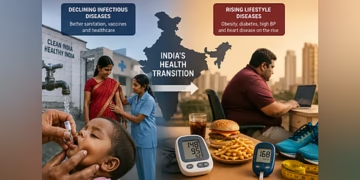
The growing prevalence of chronic diseases such as diabetes, hypertension, cardiovascular disorders, and respiratory illnesses is one of the major factors driving the adoption of RPM in India. Millions of patients require regular monitoring and follow-up care, making frequent hospital visits both costly and inconvenient. Remote monitoring helps bridge this gap by enabling continuous observation without requiring patients to remain in healthcare facilities.
India’s expanding digital health ecosystem has further accelerated this trend. Initiatives under the Ayushman Bharat Digital Mission, including the widespread adoption of digital health records and health IDs, have created a stronger foundation for integrating remote monitoring solutions into mainstream healthcare services. These developments are making it easier for healthcare providers to access patient information and deliver coordinated care.
The COVID-19 pandemic also played a crucial role in popularising remote healthcare technologies. During the pandemic, telemedicine, digital consultations, and home-based monitoring became essential tools for maintaining continuity of care while reducing the risk of infection. The success of these solutions encouraged hospitals and healthcare companies to continue investing in remote monitoring even after the crisis subsided.
Several healthcare providers are now launching advanced RPM platforms that combine artificial intelligence, wearable devices, and real-time analytics. These systems can identify early warning signs of deterioration, alert healthcare teams, and support timely medical interventions. Some AI-enabled monitoring solutions have demonstrated reductions in hospital readmissions and improved management of chronic conditions through round-the-clock observation and predictive analysis.
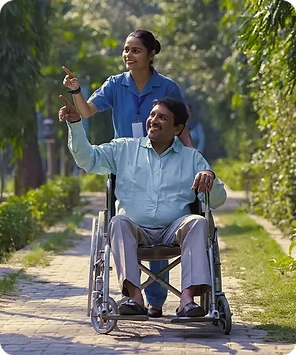
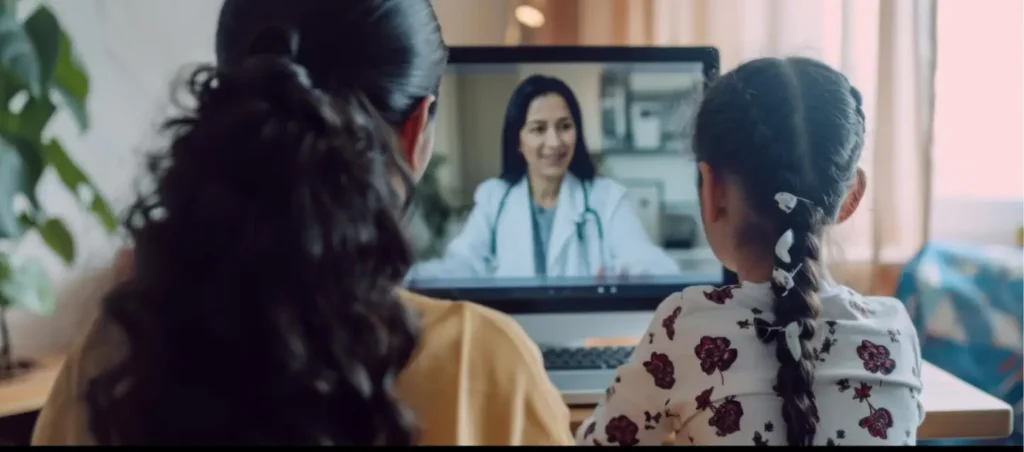
Experts believe RPM has the potential to transform healthcare delivery in both urban and rural areas. For patients living in remote regions where access to specialists is limited, remote monitoring can provide continuous medical supervision without requiring long-distance travel. Elderly individuals and patients recovering from surgery can also benefit from home-based care while remaining under professional observation.
Despite its promise, challenges remain. Limited digital literacy, inconsistent internet connectivity, concerns over data privacy, and the affordability of monitoring devices continue to affect large-scale adoption. Healthcare providers must also ensure that data collected through remote monitoring systems is secure, accurate, and integrated effectively into clinical workflows. Researchers have emphasized the importance of strong cybersecurity measures and reliable infrastructure to support long-term growth in the sector.
Industry analysts expect India’s remote health monitoring market to expand significantly in the coming years as digital health technologies become more accessible and affordable. With growing investments in connected healthcare, artificial intelligence, and wearable devices, RPM is increasingly viewed as a key component of future healthcare delivery. By shifting the focus from reactive treatment to continuous monitoring and early intervention, remote patient monitoring has the potential to improve healthcare accessibility, enhance clinical outcomes, and create a more patient-centric healthcare system across the country.