





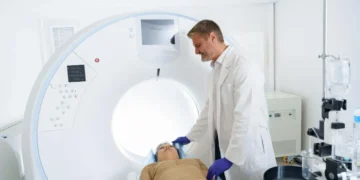






The curriculum included case discussions, hands-on activities, and classroom instruction. Both basic and advanced POCUS applications, such as E-FAST, cardiac and lung ultrasound, advanced echocardiography, resuscitative POCUS, transthoracic echocardiography, transcranial Doppler, airway ultrasound, and the recognition and avoidance of common POCUS practice pitfalls, were taught to the participants.
The program, which is run in collaboration with the Society for Emergency Medicine India (SEMI), has grown to be one of the most popular POCUS training programs in emergency medicine in India. It offers CPD credit points granted by the Maharashtra Medical Council (MMC) and is endorsed by the International Federation of Emergency Medicine (IFEM), SEMI, and the Association of Healthcare Providers India (AHPI).
Over 450 emergency medicine physicians from all over India have been trained by the program over its ten-year existence.This year’s two editions functioned as pre-conference events for EMCON 2026, which is set to happen in Mumbai from October 30 to November 1, 2026. The conference is positioned as India’s largest international emergency medicine conference and is anticipated to draw over 2,000 attendees.
Additionally, the program provided a sneak peek at one of EMCON 2026’s main attractions. The presidents of the World Interactive Network Focused on Critical Ultrasound (WINFOCUS), American College of Emergency Physicians (ACEP), International Federation of Emergency Medicine (IFEM), and Royal College of Emergency Medicine (RCEM) will give keynote remarks at the conference. In keeping with the conference’s growing international engagement, special video messages from other world leaders are also anticipated.
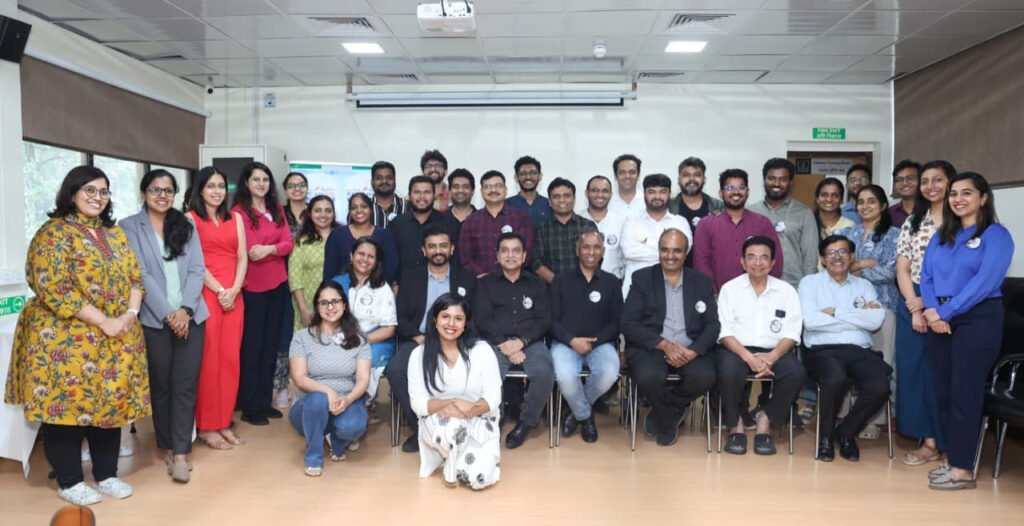
Another significant milestone for the program was reached when the official POCUS in Emergency Medicine logo was unveiled at the end of the 11th edition. Dr. Sanjay Shah, President of ma Mulund; Dr. Hasmukh Ravat and Dr. Bipin Daxini, senior cardiologists from Fortis Hospital Mulund; Dr. Kedar Toraskar, Senior Critical Care Specialist; and members of Mumbai’s Emergency Medicine fraternity attended the event.
The program has been crucial in integrating Point-of-Care Ultrasound into precision resuscitation procedures in emergency medicine in India, according to Dr. Shree Sowjanya Patibandla, President of the Society for Emergency Medicine India. She also emphasized Dr. Sandeep Gore’s ten years of teaching hundreds of emergency physicians and helping to increase POCUS use nationwide.
Drs. Bharat Patidar and Vivek Solapure were the principal instructors, and Dr. Sandeep Gore oversaw the academic sessions. A multidisciplinary team of emergency medicine and critical-care experts provided them with support. Along with senior national advisors from SEMI, the initiative also benefited from advice from foreign experts connected to Harvard Medical School, Johns Hopkins University School of Medicine, and George Washington University Hospital.
Dr. Sandeep Gore, Director of Emergency Medicine at Fortis Hospital Mulund and Organizing Chairman of EMCON 2026, who has led the program for the past ten years, reflected on the workshop’s successful conclusion and stated that POCUS has grown to be a significant addition to the clinical examination in emergency medicine. He pointed out that when used properly, it enables medical professionals to promptly recognize evolving physiological states, improve diagnostic options, and make more focused decisions during resuscitation.
He continued by saying that the program’s goal was to give participants more than just technical ultrasound abilities by fostering the clinical judgment required to safely evaluate POCUS results and apply them to patient care. He claims that the program is still encouraging Indian emergency physicians to adopt the idea of precision resuscitation.
Emergency medicine necessitates quick decision-making, precision, and efficient clinical team coordination, according to Dr. S. Narayani, Business Head, Fortis Hospitals Maharashtra. She emphasized the value of organized teaching programs in fostering consistency in emergency care procedures and giving physicians more self-assurance when managing complicated and urgent patients. The 11th edition, she stated, shows Fortis’ ongoing commitment to improving clinical preparation via hands-on, evidence-based medical education.
With an emphasis on transforming clinical education into greater preparation and improved patient outcomes, Fortis Hospital Mulund continues to promote practical learning and professional development in emergency medicine.
Concerning Fortis Healthcare Limited
Hospitals, diagnostic services, and daycare centers are all part of the operations of Fortis Healthcare Limited, a well-known integrated healthcare delivery company in India. In 12 states and union territories, the corporation presently oversees 36 healthcare facilities, including joint ventures (JVs) and operations-and-management (O&M) facilities. Its network consists of 400 diagnostic labs and over 6,000 operational beds, including O&M beds.