














India has launched the second phase of its intensified 100-day TB Mukt Bharat campaign, reinforcing its commitment to eliminating tuberculosis (TB) and improving public health outcomes across the country. This renewed initiative builds on the success of the first phase and aims to accelerate progress toward making India TB-free by 2025.
The campaign is part of the broader National TB Elimination Programme (NTEP), which focuses on early detection, timely treatment, and prevention of new infections. The second phase expands the scale and intensity of efforts, especially in high-risk and vulnerable populations. It emphasizes reaching individuals who are often left out of the healthcare system, such as those living in remote areas, urban slums, and marginalized communities.
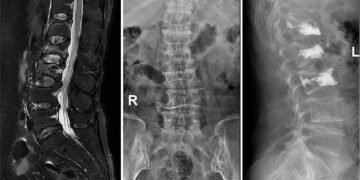
A key feature of the campaign is its proactive approach to identifying TB cases. Instead of waiting for patients to seek treatment, health workers are actively conducting door-to-door screenings and community outreach programs. Advanced diagnostic tools, including portable X-ray machines and rapid molecular tests, are being used to detect the disease early and accurately. This helps reduce delays in diagnosis and ensures patients begin treatment as soon as possible.
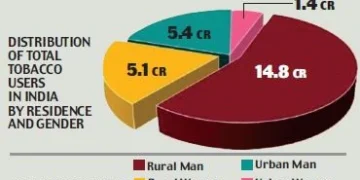
The initiative also prioritizes high-risk groups such as the elderly, people with diabetes, smokers, individuals with weakened immunity, and those who have had previous exposure to TB. By targeting these groups, the government aims to uncover hidden or asymptomatic cases that might otherwise go unnoticed, thereby preventing further spread of the disease.
Another important aspect of the campaign is community participation. The program encourages involvement from local leaders, healthcare workers, self-help groups, and volunteers. Public awareness campaigns are being conducted to reduce stigma associated with TB and to promote early health-seeking behavior. This community-driven approach plays a crucial role in ensuring the success of the initiative.
The first phase of the campaign demonstrated significant progress, with millions of people screened and a large number of TB cases detected and treated. Building on these achievements, the second phase aims to further strengthen healthcare infrastructure, improve access to diagnostic services, and enhance patient support systems, including nutritional and financial assistance.
Overall, the launch of the second intensified 100-day TB Mukt Bharat campaign reflects India’s determined effort to tackle one of its most pressing public health challenges. By combining technology, community engagement, and targeted interventions, the initiative seeks to reduce TB incidence and move closer to the goal of a TB-free nation.