









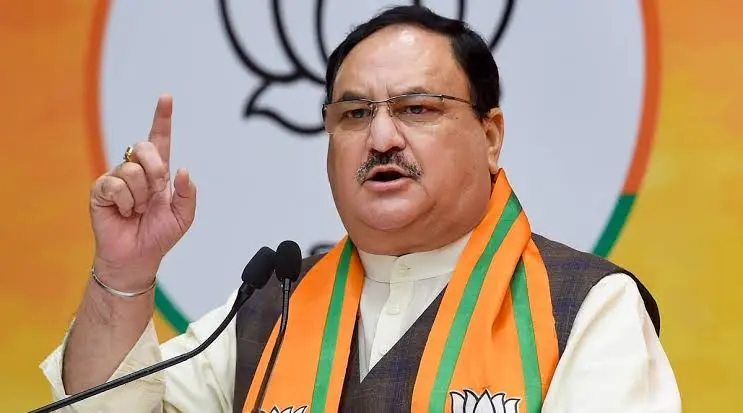
Union Health Minister J.P. Nadda has called upon young doctors to uphold the highest standards of medical ethics, compassion and professional integrity as they begin their careers in healthcare. Addressing the 10th convocation of the Institute of Liver and Biliary Sciences (ILBS) in New Delhi, he urged graduating students to view their medical education as both a privilege and a responsibility, encouraging them to dedicate their knowledge and skills to serving society.
Congratulating the graduates, Nadda said that doctors play a crucial role in building a healthier and stronger nation. He emphasised that while medical science continues to advance through innovation and technology, the core values of empathy, honesty and ethical practice must remain central to patient care. According to the minister, healthcare professionals should preserve compassion in their daily work while maintaining excellence and integrity throughout their careers.
Highlighting the importance of policy reforms in strengthening India’s healthcare system, Nadda said that visionary policymaking combined with a supportive academic and institutional ecosystem has transformed medical education in the country. He noted that students should appreciate how government initiatives have expanded opportunities for learning, research and specialised healthcare services, enabling institutions such as ILBS to achieve global recognition in patient care, medical education and innovation.
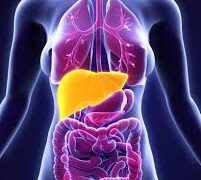
The minister praised ILBS for its contribution to liver care, research and public health awareness. He said the institute has emerged as a leading centre for educating people about fatty liver disease and its associated health risks through clinical services, research and outreach programmes. Recognising the growing burden of liver-related illnesses, Nadda directed the institute to develop a national framework for liver disease screening through Ayushman Arogya Mandirs, aiming to promote early detection and reduce the incidence of chronic liver disorders across the country.
Nadda also highlighted the government’s efforts to strengthen medical education by simultaneously expanding healthcare infrastructure and improving the policy environment. He explained that while the “hardware” consists of medical colleges, hospitals and healthcare facilities, the “software” includes academic support, research opportunities and governance frameworks that help healthcare professionals excel. Building institutions alone, he said, is not enough; creating an ecosystem that nurtures excellence is equally important.
Referring to the rapid expansion of medical education in India, the minister noted that the number of AIIMS institutions has increased significantly over the years. He also pointed to the substantial growth in medical colleges and undergraduate as well as postgraduate seats, saying these developments have strengthened the country’s capacity to train skilled healthcare professionals and improve access to quality medical education.
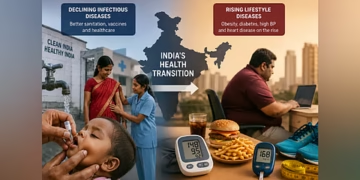
Nadda further stressed the importance of preventive healthcare in improving public health outcomes. He highlighted the role of Ayushman Arogya Mandirs in expanding access to primary healthcare services, including screening programmes for hypertension, diabetes and various forms of cancer. Early diagnosis and timely treatment, he said, are key to reducing disease burden and improving long-term health outcomes.
Concluding his address, the Health Minister encouraged the graduating doctors to remain lifelong learners, embrace innovation and uphold ethical values throughout their professional journey. He said India’s healthcare system will continue to benefit from dedicated medical professionals who combine scientific excellence with compassion and a strong commitment to public service.