

















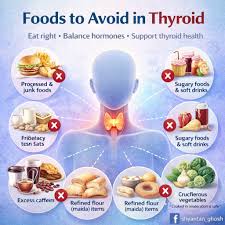
Growing consumption of packaged and ultra-processed foods has raised concerns among health experts about their possible impact on thyroid health. Foods such as instant noodles, chips, sugary drinks, ready-to-eat meals, and processed snacks often contain artificial flavours, preservatives, colourants, and additives that may interfere with hormonal balance over time. (timesofindia.indiatimes.com)
The thyroid gland plays a major role in regulating metabolism, energy levels, body temperature, growth, and hormone production. Even minor disruptions in thyroid hormones can affect overall health significantly. Researchers are now studying whether chemicals commonly used in processed foods may act as endocrine disruptors and negatively influence thyroid function.
Experts say several additives found in packaged foods have drawn scientific attention. These include bisphenol A (BPA), phthalates, parabens, artificial sweeteners, tartrazine, erythrosine, nitrates, and nitrites. Such substances may interfere with hormone production, iodine absorption, or hormone signalling pathways within the body.
A 2022 study on ultra-processed food consumption found that people who regularly consumed high amounts of processed foods showed a greater risk of developing subclinical thyroid dysfunction, particularly hyperthyroidism. While researchers stressed that additives alone cannot be directly blamed for thyroid disease, they noted that long-term dietary patterns may influence hormonal health.
Doctors also warn that ultra-processed foods contribute to broader health problems such as obesity, inflammation, high blood pressure, poor gut health, and metabolic disorders, all of which may indirectly worsen thyroid-related conditions. Many processed products contain excessive sugar, unhealthy fats, sodium, and synthetic chemicals that may strain the body over time.
According to health specialists, the concern is not occasional consumption but the growing dependence on packaged foods as a regular part of daily diets. Busy lifestyles, affordability, aggressive marketing, and convenience have increased reliance on processed meals, especially among urban populations. In many countries, ultra-processed foods now account for a major share of everyday calorie intake.
Nutrition experts suggest that people with thyroid disorders should pay closer attention to food labels and ingredient lists. Artificial flavouring agents and preservatives may not always be harmful individually, but repeated exposure through multiple products may increase overall health risks. The World Health Organization states that food additives are generally evaluated for safety before approval, though researchers continue studying their long-term effects on human health.
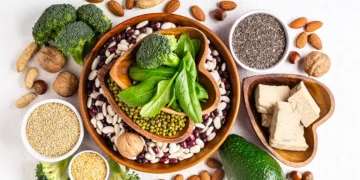
Doctors recommend focusing on balanced diets rich in whole foods such as fruits, vegetables, pulses, nuts, dairy, whole grains, and naturally prepared meals. Nutrients like iodine, selenium, zinc, and iron are considered important for healthy thyroid hormone production and regulation. Experts also encourage limiting heavily processed foods and sugary beverages wherever possible.
Medical professionals emphasise that more human studies are needed before drawing definite conclusions about artificial additives and thyroid disease. However, reducing dependence on highly processed foods and adopting healthier eating habits may support better hormonal balance and overall well-being. Awareness campaigns around World Thyroid Day are encouraging people to become more mindful of dietary choices and their possible long-term impact on thyroid health.