














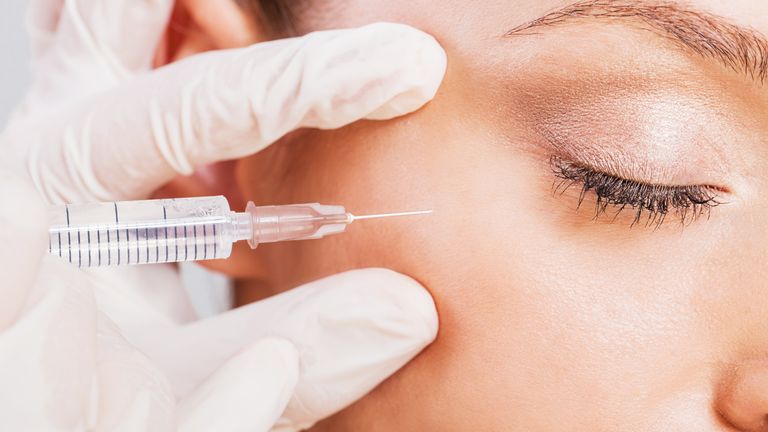
Fresh concerns around cosmetic Botox procedures have emerged after the UK Health Security Agency (UKHSA) issued a warning over suspected botulism cases linked to beauty injections. Health officials reported several incidents associated with Botox-like cosmetic treatments, prompting renewed discussions about the safety of aesthetic procedures and the importance of choosing qualified practitioners.
According to reports, individuals who underwent cosmetic injections experienced symptoms such as difficulty swallowing, slurred speech, breathing problems, facial weakness, and muscle paralysis. Some patients reportedly required hospitalisation and anti-toxin treatment. UK authorities suspect that unlicensed or counterfeit botulinum toxin products may have been involved in several of the cases.
Botox is a purified form of botulinum toxin used in small doses to temporarily reduce wrinkles and treat certain medical conditions such as migraines and muscle spasms. While approved Botox procedures are generally considered safe when administered correctly, experts warn that complications can occur if injections are performed improperly or if unsafe products are used.
Health agencies including the UKHSA, MHRA, and the US Centers for Disease Control and Prevention (CDC) have advised consumers to exercise caution before undergoing cosmetic injections. Authorities recommend verifying the credentials of practitioners and ensuring that only licensed and approved products are used during treatment.
Medical experts say one of the most important precautions is selecting a trained and licensed healthcare professional. Botox injections should ideally be performed by qualified doctors, dermatologists, nurses, or certified cosmetic specialists with experience in administering botulinum toxin safely. Injections carried out in homes, unregulated salons, or by untrained individuals significantly increase health risks.
Another key recommendation is checking the authenticity of the product being injected. Approved Botox products are tightly regulated and sourced through licensed medical supply chains. Counterfeit or illegally imported products may contain unsafe toxin levels, contamination, or incorrect ingredients, increasing the possibility of serious complications including botulism.
Experts also advise patients to avoid procedures that appear unusually cheap. Online discussions and public reactions following the recent UK cases suggest that discounted treatments offered outside regulated clinics often raise concerns about product quality and practitioner standards. Many users on social media and Reddit highlighted the risks associated with counterfeit products and unlicensed providers.
Patients are encouraged to monitor symptoms carefully after receiving injections. Warning signs such as blurred vision, drooping eyelids, breathing difficulty, muscle weakness, or trouble swallowing should be treated as medical emergencies requiring immediate attention. Health officials noted that symptoms of botulism can appear hours or even weeks after injections.
The recent incidents have intensified scrutiny of the growing cosmetic injectables industry, particularly the rise of informal beauty treatments promoted through social media and home-based clinics. Regulators in several countries are now considering stricter oversight of aesthetic procedures and stronger action against illegal Botox sales.
Despite the concerns, medical experts stress that Botox remains widely used and generally safe when administered properly using approved products. However, the latest warnings serve as a reminder that cosmetic procedures should be approached with the same level of caution as any other medical treatment.