












India is witnessing a growing burden of high blood pressure, with the latest findings from the sixth National Family Health Survey (NFHS-6) revealing that 19% of women and 22% of men aged 15 years and above are affected by hypertension. The findings have raised concerns among health experts, who view the trend as a major public health challenge linked to changing lifestyles, urbanisation, dietary habits, and increasing rates of obesity. The survey highlights the urgent need for greater awareness, early diagnosis, and preventive healthcare interventions across the country.
Conducted by the Ministry of Health and Family Welfare with technical support from the International Institute for Population Sciences (IIPS), NFHS-6 provides one of the most comprehensive assessments of India’s health and nutrition landscape. The survey covered hundreds of thousands of households across the country and examined a wide range of indicators, including maternal health, child nutrition, immunisation, non-communicable diseases, and healthcare access. Hypertension was among the key health indicators monitored due to its growing role in causing cardiovascular diseases and premature deaths.
High blood pressure, often referred to as a “silent killer,” frequently develops without noticeable symptoms. If left untreated, it can significantly increase the risk of heart attacks, strokes, kidney disease, and other serious complications. Public health experts note that many individuals remain unaware of their condition until complications emerge, making routine screening and regular health check-ups essential.
The survey findings indicate that hypertension is no longer limited to older age groups. Rising prevalence among adults aged 15 years and above suggests that lifestyle-related health risks are affecting younger populations as well. Sedentary habits, reduced physical activity, excessive consumption of processed foods, high salt intake, tobacco use, alcohol consumption, and increasing stress levels are among the factors contributing to elevated blood pressure levels.
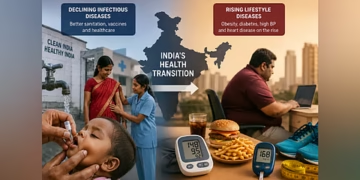
Health experts have linked the rise in hypertension to India’s broader epidemiological transition. While the country has made significant progress in reducing infectious diseases and improving maternal and child health outcomes, non-communicable diseases such as hypertension, diabetes, obesity, and cardiovascular disorders are becoming increasingly common. This shift is creating a dual healthcare challenge, where traditional health concerns coexist with chronic lifestyle-related illnesses.
The findings also underscore the importance of preventive healthcare and early intervention. Medical professionals recommend regular blood pressure monitoring, maintaining a balanced diet rich in fruits and vegetables, reducing salt intake, engaging in regular physical activity, avoiding tobacco products, limiting alcohol consumption, and managing stress effectively. Such measures can significantly lower the risk of developing hypertension and related complications.
Government initiatives aimed at screening and managing non-communicable diseases have expanded in recent years through primary healthcare centres and wellness programmes. However, experts believe that greater public awareness and community-level interventions are necessary to address the growing burden of hypertension. Strengthening preventive healthcare systems and encouraging healthier lifestyles will be critical to reducing future cardiovascular disease risks.
The NFHS-6 findings serve as a reminder that while India has achieved notable progress in several health indicators, emerging lifestyle diseases require sustained attention. With nearly one in five women and more than one in five men affected by high blood pressure, the survey highlights the need for a comprehensive public health response focused on prevention, early detection, and long-term disease management.