
















More than one in five Indian adults now lives with diabetes or high blood sugar levels, according to the latest findings from the National Family Health Survey-6 (NFHS-6), highlighting the growing burden of lifestyle-related diseases across the country. The survey reveals a significant increase in diabetes prevalence over the past five years, with Kerala emerging as the worst-affected major state.
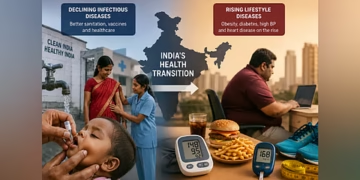
The data show that 17.8% of women and 20.9% of men aged 15 years and above either have elevated blood sugar levels or are taking medication to manage diabetes. This marks a substantial rise from NFHS-5, when the corresponding figures stood at 13.5% for women and 15.6% for men. The findings indicate that diabetes is becoming one of India’s most pressing public health challenges, driven by changing lifestyles, rising obesity, and reduced physical activity.
Among the major states, Kerala recorded the highest prevalence of diabetes and high blood sugar levels. Nearly 29% of women and 32% of men in the state were found to be affected, meaning almost one in three adults faces the condition. Health experts attribute Kerala’s high numbers to its ageing population, increasing life expectancy, and lifestyle-related risk factors such as sedentary habits and dietary changes.
The survey also revealed a strong regional pattern, with southern states reporting significantly higher diabetes rates than the national average. After Kerala, Tamil Nadu, Karnataka, Andhra Pradesh, and Telangana ranked among the most affected states. Researchers suggest that rapid urbanisation, changing food consumption patterns, and growing obesity levels have contributed to the increasing prevalence of metabolic disorders across the region.
Karnataka recorded the sharpest increase in diabetes prevalence since the previous survey. Among women, the rate rose from 14% to 22.3%, while among men it surged from 15.6% to 26.1%. Public health experts view this rapid growth as a warning sign of broader lifestyle transitions taking place across the state and the country.
The survey further highlights that diabetes is no longer confined to cities. While urban populations continue to report higher prevalence levels, rural areas are experiencing a steady rise in cases. States such as Kerala, Tamil Nadu, Telangana, and Andhra Pradesh showed a narrowing gap between urban and rural populations, suggesting that lifestyle-related health risks are spreading beyond metropolitan centres.
Health specialists warn that the increase in diabetes is closely linked to the growing prevalence of obesity, hypertension, and cardiovascular diseases. Recent NFHS-6 findings have also documented rising obesity rates among Indian adults, creating conditions that significantly elevate the risk of developing diabetes and related complications.
The findings underscore the urgent need for preventive healthcare measures, including regular screening, healthier diets, increased physical activity, and greater public awareness. Experts believe that without stronger interventions, India could face an even larger burden of non-communicable diseases in the coming years. As diabetes rates continue to rise across both urban and rural populations, policymakers and healthcare providers are being urged to strengthen efforts aimed at prevention, early detection, and effective disease management.