



















Air pollution may be affecting far more than the lungs and heart, with new research suggesting that prolonged exposure to polluted air could also harm kidney health in young adults. The findings add to growing evidence that air pollution has widespread effects on multiple organs and highlight the need for stronger environmental and public health measures to reduce exposure.
The study found that exposure to fine particulate matter (PM2.5) and other air pollutants was associated with early signs of kidney damage in otherwise healthy young individuals. Researchers observed changes in key indicators of kidney function, suggesting that pollution-related damage may begin much earlier in life than previously believed. Although the participants did not necessarily have diagnosed kidney disease, the findings indicate that long-term exposure could increase the risk of developing chronic kidney conditions later in life.
Scientists believe that inhaled pollutants can enter the bloodstream after passing through the lungs, triggering inflammation, oxidative stress, and damage to blood vessels throughout the body. Since the kidneys are responsible for filtering blood and removing waste, they are particularly vulnerable to these harmful processes. Over time, persistent exposure to polluted air may reduce the kidneys’ ability to function efficiently and accelerate the onset of kidney disease.
The research is significant because chronic kidney disease has traditionally been linked to conditions such as diabetes, high blood pressure, obesity, and ageing. However, the latest findings suggest that environmental factors, including poor air quality, may also play a crucial role in increasing disease risk, even among younger populations with no obvious underlying health conditions. This broadens the understanding of how pollution affects long-term health and underscores the importance of preventive action.
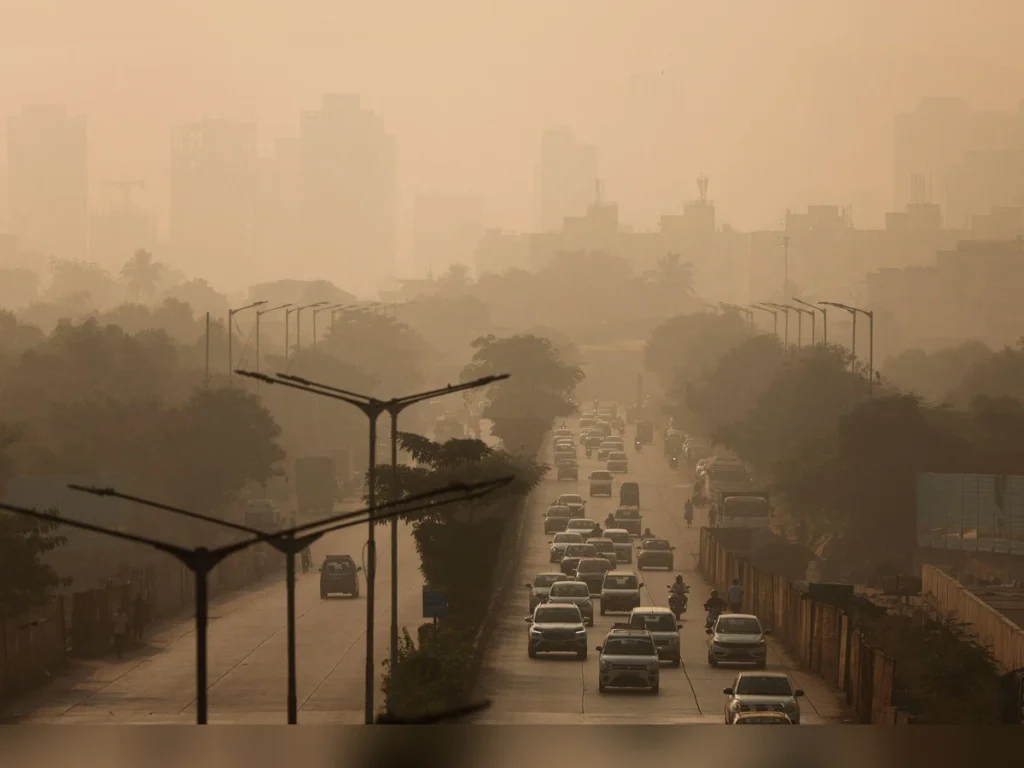
India remains one of the countries with the highest levels of air pollution, particularly in several urban centres where emissions from vehicles, industries, construction activities, and biomass burning contribute significantly to deteriorating air quality. Public health experts have repeatedly warned that prolonged exposure to polluted air is associated with respiratory illnesses, cardiovascular disease, stroke, adverse pregnancy outcomes, and an increasing number of chronic health conditions. The new study suggests kidney disease should also be considered among these health risks.
Researchers emphasised that improving air quality could have far-reaching health benefits beyond reducing respiratory illnesses. Measures such as stricter emission standards, cleaner transport systems, increased green spaces, better industrial pollution control, and stronger monitoring of air quality could help lower the burden of pollution-related diseases. Individuals can also reduce exposure by monitoring air quality, limiting outdoor activities during severe pollution episodes, and using protective measures where appropriate.
The study also highlights the importance of early screening and regular health check-ups for people living in highly polluted regions. Detecting early signs of kidney dysfunction may help prevent disease progression through timely medical intervention and lifestyle modifications. Health experts recommend maintaining adequate hydration, managing blood pressure, eating a balanced diet, and avoiding unnecessary use of medications that may strain kidney function.
While further research is needed to establish the long-term impact of pollution on kidney health and identify the most vulnerable populations, the findings reinforce the growing body of evidence linking environmental pollution to chronic diseases. As countries work to improve air quality, experts believe that reducing pollution exposure will be essential not only for protecting respiratory health but also for safeguarding vital organs such as the kidneys and improving overall public health outcomes.