
















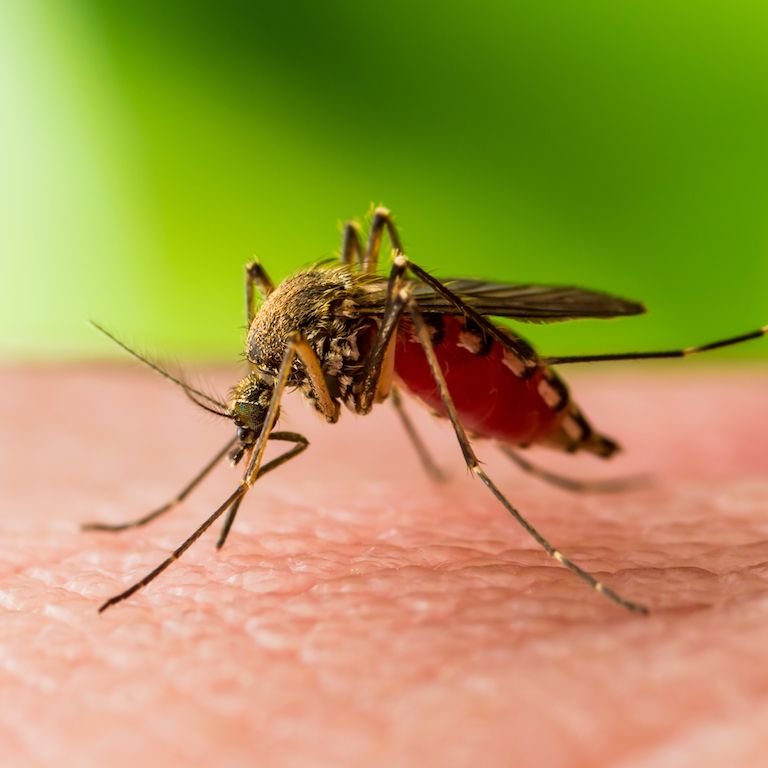
The United States has reported 1,328 West Nile virus cases, including 1,004 severe neurological infections, prompting health experts to urge early diagnosis and stronger mosquito protection.
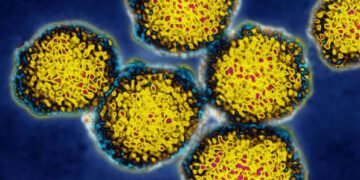
West Nile virus infections are rising across 45 US states, with severe neurological complications reported in a large number of diagnosed patients. According to national arboviral surveillance data collected through the ArboNET network, the country has recorded 1,328 human cases, including 1,004 neuroinvasive cases. The increase has raised concerns about serious illness, hospital care and the possible spread of the virus in communities.
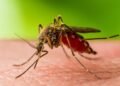
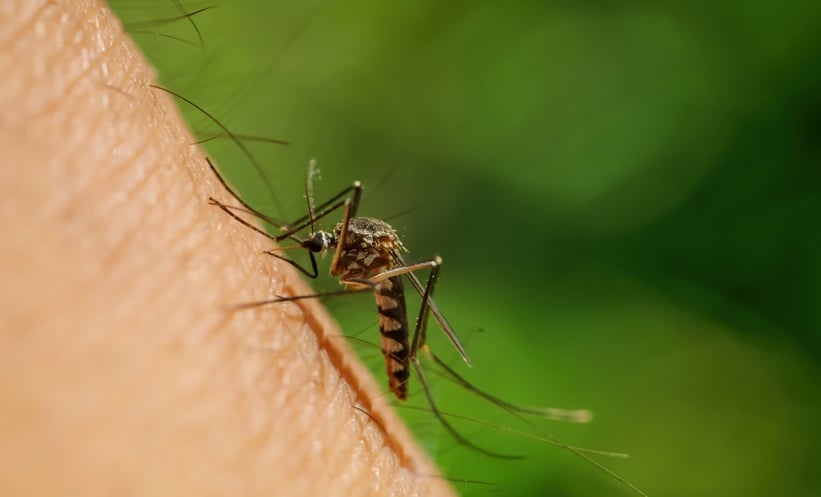
West Nile virus is mainly spread to humans through the bites of infected mosquitoes. The current outbreak highlights the need for early detection, better public awareness and preventive measures, particularly for people at higher risk of severe illness.
California and Arizona Report High Case Numbers
California has reported 310 cases, while Arizona has recorded 95 infections. Los Angeles County in California and Maricopa County in Arizona are among the areas facing concerns about severe infections.
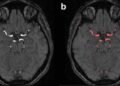
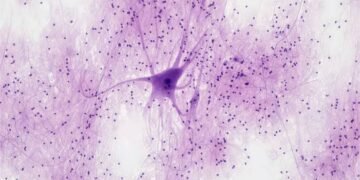
Patients with neuroinvasive West Nile virus may develop encephalitis, which causes inflammation of the brain, meningitis, which affects the protective layers around the brain and spinal cord, or acute flaccid paralysis, which can cause sudden muscle weakness. These conditions may require emergency medical attention and hospital treatment.
Mild Cases May Go Undetected
More than 75 per cent of the documented cases involve neurological complications. However, this does not necessarily mean that most infections in the community are severe. Health surveillance systems often identify hospitalised patients more easily, while people with mild symptoms may never seek medical care or undergo testing.
Routine blood donor screening has also identified people who tested positive for the virus without showing symptoms. These findings suggest that the virus may be circulating even when infected individuals appear healthy.
Early Diagnosis and Prevention Are Essential
Doctors are being urged to consider West Nile virus when patients develop sudden fever, severe muscle weakness or unexplained neurological symptoms. Confirmatory blood tests can help identify infections, while early medical assessment is important when serious symptoms appear.
People can reduce their risk by using mosquito repellents, wearing long-sleeved clothing, removing standing water around homes and using window screens.
Although surveillance figures provide important information, they may not show the full scale of community transmission. Public awareness, timely diagnosis and mosquito-control measures remain essential to limit theimpact of the disease.
For more health-related news