


















Researchers are investigating whether polyendocrine metabolic ovarian syndrome (PMOS), formerly known as polycystic ovary syndrome (PCOS), may affect brain metabolism, memory and cognitive function. While early studies suggest possible links, experts say more research is needed to understand the long-term risks.

A recent review published in the Journal of the Endocrine Society examined evidence linking PMOS with cognitive changes and dementia. The research highlights growing interest in how the syndrome’s hormonal and metabolic abnormalities may influence brain health beyond reproductive problems.
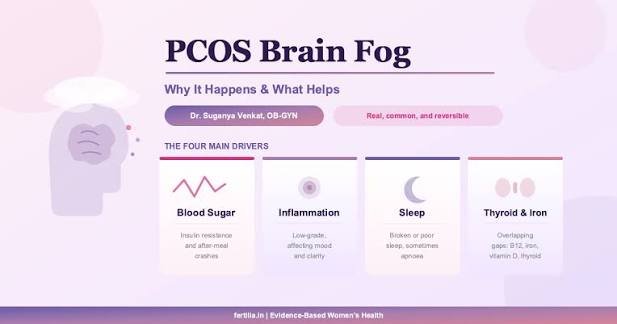
Researchers have focused on insulin resistance, a common feature of PMOS, to understand the possible connection. The condition affects how the body responds to insulin and is often associated with higher insulin levels. Since insulin also plays an important role in brain function, scientists are investigating whether changes in insulin signalling could affect memory and other cognitive abilities.
A 2015 study published in PLOS ONE examined brain glucose uptake in seven women with PMOS and 11 women without the condition. Researchers found reduced glucose uptake in several brain regions among women with PMOS, with some reductions linked to greater insulin resistance. However, the small study did not establish whether these differences affected long-term brain health.
Further evidence emerged from a 2024 study published in Neurology, which analysed data from the Coronary Artery Risk Development in Young Adults (CARDIA) study. Women with PMOS generally performed less well on tests of verbal memory, executive function and category fluency. Brain imaging in a smaller subgroup also showed lower white matter integrity, which reflects the organisation of nerve fibres connecting brain regions.
Ricardo Azziz, professor of reproductive endocrinology and gynaecology at the University of Alabama at Birmingham and senior author of the review, cautioned against drawing premature conclusions.
“We should not jump to conclusions to say that PMOS patients have a higher risk of Alzheimer’s disease. But what we can say is that both seem to be linked to metabolic dysfunction,” Azziz said.
Researchers also examined possible connections with Alzheimer’s disease and other forms of dementia. However, current evidence remains limited and inconsistent, with factors such as obesity, diabetes, cardiovascular health and inflammation potentially contributing to the observed associations.
The research team is exploring larger datasets, including the UK Biobank and the Nurses’ Health Study, to investigate long-term health outcomes.
Experts say larger, long-term studies are essential to establish whether PMOS itself contributes to cognitive decline or whether shared metabolic risk factors explain the connection.
For more health-related news