













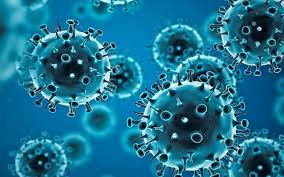
A new COVID-19 variant, PJ.2.1, is spreading across several countries, raising concerns among health experts. The World Health Organization (WHO) says its symptoms may look similar to those of the common cold or seasonal flu, making it difficult to identify the infection without proper testing.
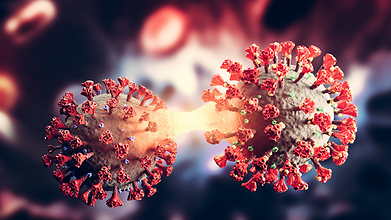
What Is the PJ.2.1 Variant?
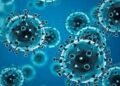
PJ.2.1 belongs to the SARS-CoV-2 family of viruses that causes COVID-19. It has several mutations in its spike protein, which helps the virus enter human cells.
According to an October 2026 preprint study, the first confirmed sample was detected on May 2, 2026, in Ontario, Canada. The variant was later reported in New York and several other US states. Cases have also been identified in Spain, France, Israel, Singapore, Australia and New Zealand.
Researchers suggest that PJ.2.1 may spread more easily because of its increased ability to bind to the ACE2 receptor. However, laboratory findings did not show significantly greater antibody evasion compared with most other variants tested.
What Are the Symptoms?
The WHO says COVID-19 symptoms can overlap with those of flu and other respiratory infections.
Possible symptoms include:
- High fever and cough
- Sore throat
- Blocked or runny nose
- Headache and muscle pain
- Severe tiredness or fatigue
Some people may also experience breathing difficulties, digestive problems or changes in their sense of smell and taste.
Russian infectious disease specialist and virologist Elena Malinnikova said the variant may cause severe sore throat and longer-lasting fatigue after recovery.
Is PJ.2.1 More Dangerous?
There is currently insufficient evidence to confirm that PJ.2.1 causes more severe illness, hospitalisation or deaths than previous variants.
The WHO stressed that symptoms alone cannot confirm which virus has caused an infection. Testing may be needed, especially when the diagnosis could affect treatment.
Older adults, people with weak immune systems and those with chronic health conditions remain at higher risk of severe illness.
Although no vaccine has been developed specifically for PJ.2.1, the WHO continues to recommend COVID-19 vaccination to help protect against severe disease, hospitalisation.
For more health-related news