


















Trying to lose festive weight through intense workouts? An expert advises returning to exercise gradually, focusing on balanced nutrition, proper recovery and consistency instead of quick fixes.
After days of festive celebrations, sweets and rich meals, many people feel the pressure to lose the extra weight gained during Diwali. From spending longer hours at the gym to adding extra cardio and lifting heavier weights, some try to get back in shape as quickly as possible. However, fitness experts warn that over-exercising after a festive break can do more harm than good.
Kushal Pal Singh, Fitness and Performance Expert at Anytime Fitness India, says people often treat exercise as a way to compensate for festive eating. He explains that fitness is not about undoing a few indulgent meals but about maintaining healthy habits over time.
“One common pattern we see is people treating exercise as a way to compensate for what they have eaten. Fitness, however, is not about undoing a few festive meals; it is about maintaining consistency over time,” Singh says.
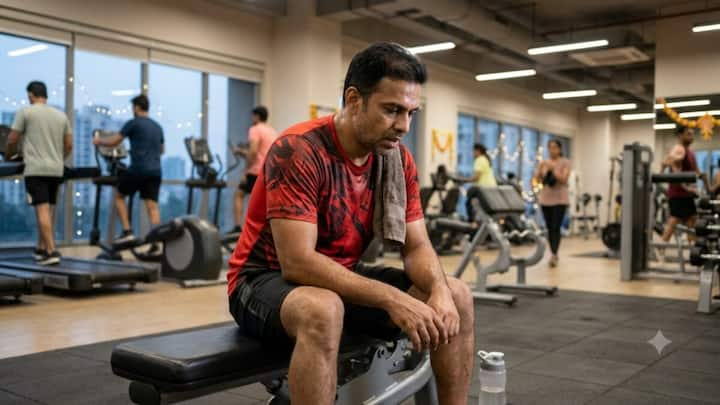
Why Over-Exercising Can Be Harmful
Festive celebrations often disturb regular routines, with changes in eating habits, sleep schedules and physical activity. Once celebrations end, people may suddenly increase workout intensity to lose weight quickly.
However, sudden strenuous exercise after a break can lead to muscle soreness, fatigue, poor recovery and an increased risk of injuries. Short-term weight fluctuations may also result from changes in hydration, food intake and sodium consumption rather than actual fat gain.
“Exercise should challenge you, not punish you. Pushing harder is not always the same as progressing better, especially when the body is returning from a break,” Singh explains.
How to Return to a Healthy Fitness Routine
Instead of rushing into intense workouts, Singh recommends gradually rebuilding exercise habits.
Here are some ways to get back on track after Diwali:
- Start gradually: Resume workouts with manageable intensity. Begin strength training with lighter weights and increase them slowly.
- Combine cardio and strength training: Include walking, cardiovascular activities and strength exercises while allowing sufficient recovery.
- Eat balanced meals: Choose protein-rich foods, fruits, vegetables and other nutrient-rich options instead of following restrictive diets.
- Stay hydrated and sleep well: Proper hydration and adequate sleep support muscle recovery and overall health.
- Avoid quick fixes: Stay away from crash diets, excessive cardio and unrealistic weight-loss targets.
Consistency Matters More Than Quick Results
Singh emphasises that a few days of festive indulgence cannot undo months of fitness progress. Similarly, a few intense gym sessions cannot transform the body overnight.
“The best way to get back on track is to return to your routine, not overcorrect it. A few festive meals will not define your fitness journey, just as a few intense workouts will not transform it overnight,” he says.
The key is to focus on gradual progress, balanced nutrition, regular exercise and adequate recovery. Rather than punishing the body for festive eating, building sustainable habits over weeks and months is the healthier way to achieve long-term fitness goals.