




















Newer diabetes therapies are shifting treatment towards personalised care, with doctors focusing not only on glucose levels but also on weight, heart health, kidney function and long-term complications.
Diabetes treatment is entering a new phase as doctors increasingly look beyond blood sugar control and focus on the overall health of patients. The changing approach aims to manage glucose levels while also addressing weight, cardiovascular health, kidney function and the risk of complications.
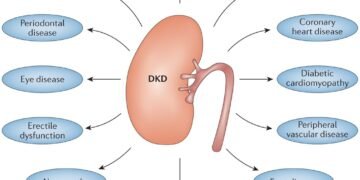
For decades, controlling blood glucose was the main goal of diabetes care. However, prolonged high blood sugar can affect the heart, kidneys, eyes, nerves and blood vessels. As a result, treatment plans are increasingly being tailored to a patient’s medical condition, lifestyle and treatment goals.

Among the newer options are once-weekly insulin medicines, including Awiqli and Onswik, which can reduce the frequency of insulin injections from daily doses to once a week. Oral GLP-1 medicines such as oral semaglutide are also expanding treatment options, with benefits that can include improved glucose control and weight management.
Another emerging area is triple-hormone therapy, which targets GLP-1, GIP and glucagon and remains under investigation. SGLT2 inhibitors are also being used for type 2 diabetes and work by helping the kidneys remove excess glucose through urine.
For some people with type 1 diabetes, cellular therapy has opened another avenue. The FDA-approved treatment Lantidra uses donor-derived cells that are transferred to the liver and can help the body produce insulin.
Doctors, however, caution that newer medicines are not suitable for everyone. Their use depends on a person’s health conditions, other medicines, treatment goals, side effects and affordability. Insulin also remains an essential treatment for many people with diabetes.
The broader approach means doctors may now consider whether a treatment can improve HbA1c while also helping manage weight or reducing cardiovascular and kidney risks.
Lifestyle measures remain equally important. A balanced diet, regular exercise, adequate sleep, weight management, stress control and regular monitoring continue to play a key role.
The future of diabetes care is therefore moving towards personalised treatment, with the right medicine or combination of therapies chosen for the right patient at the right stage of the disease.
For more health-related news