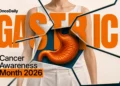
















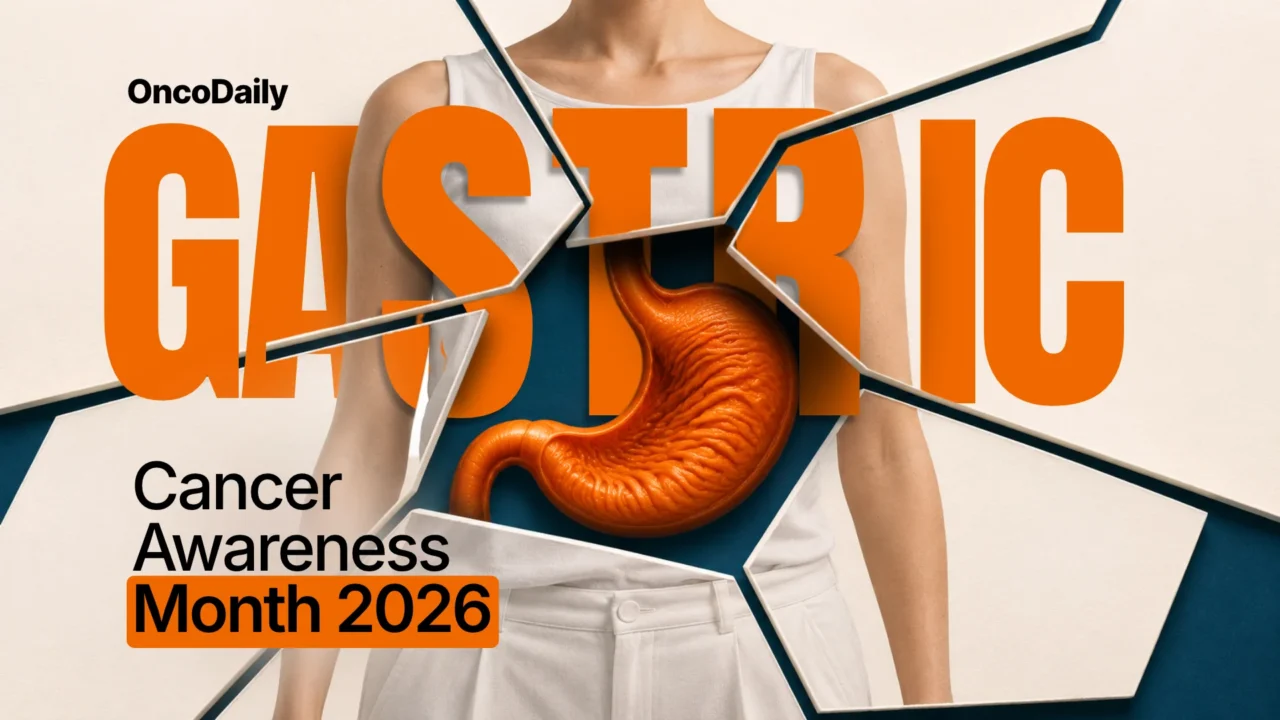
Gastric Cancer Awareness Month 2026, observed in November, is highlighting the importance of preventing stomach cancer, identifying symptoms early and improving access to treatment. The campaign is drawing global attention to the growing burden of gastric cancer and the role of Helicobacter pylori (H. pylori) infection as a major preventable risk factor.
According to estimates highlighted by the International Agency for Research on Cancer (IARC), nearly one million people worldwide developed gastric cancer in 2024, while around 650,000 died from the disease. Gastric cancer ranked as the fifth most common cancer and the fifth leading cause of cancer-related deaths globally. Men accounted for nearly two-thirds of new cases and deaths.
Asia continues to carry the highest burden of the disease, with China alone contributing more than one-third of global cases and deaths. These figures underline the need for stronger awareness campaigns, preventive measures and better access to cancer care.
One of the key concerns highlighted during this year’s awareness month is H. pylori infection. This bacteria can affect the stomach lining and cause long-term inflammation. If left untreated, it may lead to changes in stomach tissue and increase the risk of gastric cancer in some individuals. The IARC classifies H. pylori as a Group 1 carcinogen, confirming that it can cause cancer in humans.
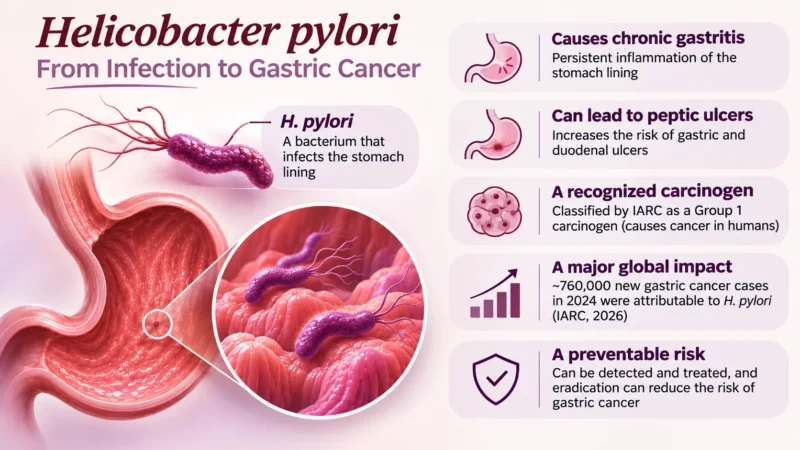
However, not everyone infected with H. pylori develops stomach cancer. Early testing and appropriate treatment can help reduce the risk.
Another challenge is that early-stage gastric cancer often develops without noticeable symptoms. Common warning signs include persistent stomach discomfort, unexplained weight loss, loss of appetite, nausea, vomiting and difficulty swallowing. People experiencing persistent symptoms should seek medical advice.
Doctors generally use upper gastrointestinal endoscopy and biopsy to confirm gastric cancer. Imaging tests and biomarker analysis also help determine the stage of the disease and guide treatment decisions.
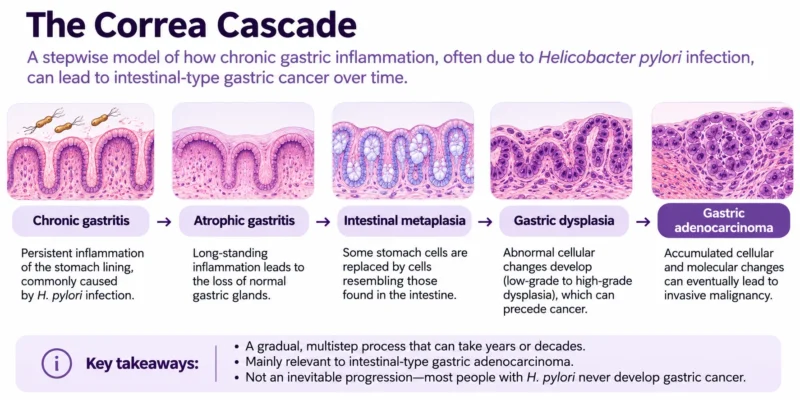
Gastric Cancer Awareness Month aims to encourage people to understand the risk factors, recognise warning signs and seek timely medical attention. It also highlights the importance of continued research, better screening approaches and improved treatment options.
Through awareness, prevention and early diagnosis, healthcare professionals hope to reduce the global impact of gastric cancer and improve outcomes for patients.
For more health-related news