















Creating awareness about epilepsy and removing misconceptions surrounding the condition are essential to ensuring that patients receive timely treatment and social support, District Leprosy Eradication Officer Padmanand Gaikwad said.
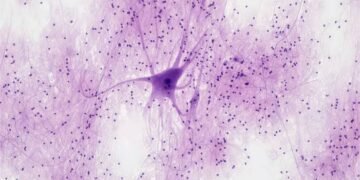
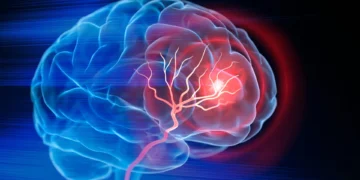
Speaking at an epilepsy awareness programme organised jointly by the Karnataka Brain Health Initiative (K-BHI) and YIMS Hospital as part of National Epilepsy Day, Gaikwad explained that epilepsy is a neurological disorder caused by abnormal electrical activity in the brain’s neurons.
He said common symptoms include sudden loss of consciousness, body spasms, tremors, a fixed gaze and temporary unawareness of one’s surroundings. He stressed that epilepsy can be effectively managed with proper medical care and regular medication prescribed by doctors.
“People with epilepsy should not face discrimination. Families and society must provide them with moral support, encouragement and understanding,” he urged.
Brain Health Medical Officer Vardhaman explained that epilepsy mainly occurs in two forms: focal seizures and generalized seizures. While focal seizures may cause movements or tremors in one part of the body, generalized seizures can affect the entire body and may lead to unconsciousness. Some patients may also experience brief lapses in awareness without visible convulsions.

He highlighted the importance of recognising these symptoms early and seeking medical advice for proper diagnosis and treatment.
Physician Sharanabasappa from the Department of Medicine cautioned people against confusing dizziness with epilepsy. He said dizziness can occur due to several health conditions and should not automatically be considered a sign of epilepsy. He emphasised that appropriate medical tests and accurate diagnosis are necessary before starting treatment.
District Coordinator of the Karnataka Brain Health Programme Nagaratna explained the facilities and services available for people living with epilepsy.
Members of the K-BHI, RBSK and UDID teams, along with patients and their caregivers, attended the programme.
The event aimed to spread scientific knowledge about epilepsy, encourage early diagnosis and treatment, and promote a supportive environment for patients. The speakers called upon the public to replace fear and misconceptions with awareness and compassion.
For more health-related news