










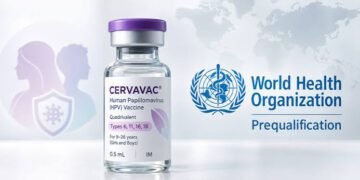



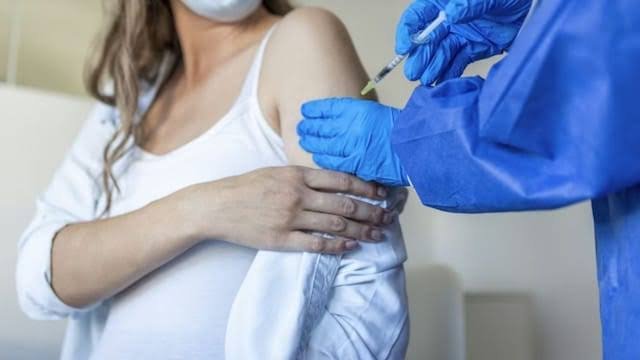
India has crossed the significant milestone of administering more than 80 lakh (8 million) doses of the Human Papillomavirus (HPV) vaccine as part of its nationwide cervical cancer prevention initiative. The achievement highlights the government’s efforts to expand preventive healthcare and reduce the future incidence of cervical cancer.
The National HPV Vaccination Campaign was launched by Prime Minister Narendra Modi in February 2026. Under the programme, 14-year-old girls can receive a free, voluntary, single-dose HPV vaccine at government health centres after obtaining parental consent. Estimates released by the Registrar General of India in 2021 indicate that nearly 1.2 crore girls enter the eligible age group each year.
States Show Strong Progress
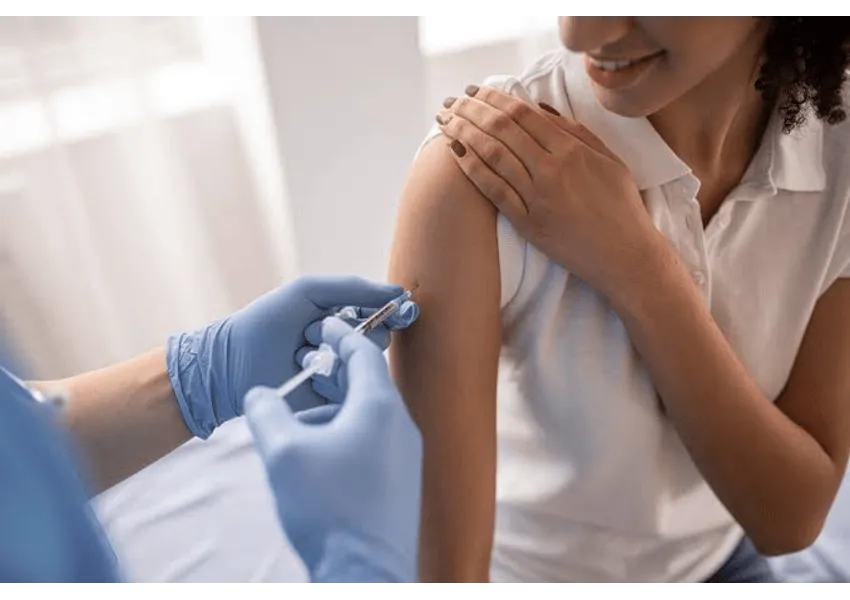
A number of States have made considerable headway in vaccinating their eligible populations. Gujarat, Uttar Pradesh, Madhya Pradesh and Mizoram have reported complete coverage of their identified beneficiaries. Bihar, Andhra Pradesh and Assam have crossed 90 per cent coverage, while Karnataka has moved beyond 85 per cent. Chhattisgarh, Sikkim, Kerala, Telangana and Odisha have each recorded coverage above 60 per cent.
Uttar Pradesh Accounts for the Highest Number of Vaccinations
Uttar Pradesh has emerged as the leading State in terms of the number of adolescent girls vaccinated, with more than 22 lakh beneficiaries receiving the HPV vaccine. Officials have credited the achievement to sustained community outreach and the involvement of district-level health teams.
To reach girls across different regions, States have adopted strategies suited to local conditions, including targeted efforts in rural communities, cities, remote locations and areas with difficult geographical access.Awareness and mobilisation have also been supported by parents, teachers, medical professionals and frontline health workers such as ASHAs and ANMs. Their involvement has helped address questions about the vaccine and tackle misinformation that may discourage families from participating.
The U-WIN digital platform is being used to strengthen programme monitoring. It enables authorities to track vaccination performance at the district level, locate areas with lower coverage, identify girls who may have been missed and plan further outreach accordingly.
Campaign Builds on Global HPV Vaccination Experience
India’s programme is supported by the growing international experience with HPV vaccination. More than 800 million doses of HPV vaccines have been distributed globally, and vaccination against HPV has become part of national immunisation programmes in countries with varying levels of income and healthcare infrastructure.
The government has also incorporated safety monitoring into the vaccination campaign. Sessions are conducted under the supervision of trained Medical Officers at government health facilities, with these centres connected to 24×7 healthcare facilities capable of assessing and treating rare Adverse Events Following Immunization (AEFI).
As the national campaign moves into its concluding phase, the Ministry of Health and Family Welfare is concentrating on reaching girls who are yet to be vaccinated. The focus remains on closing coverage gaps and ensuring that every eligible beneficiary has an opportunity to receive the vaccine.Crossing the 80-lakh-dose mark represents a major step in India’s cervical cancer prevention efforts and reinforces the country’s broader focus on early prevention and long-term public health.
For more health-related news