














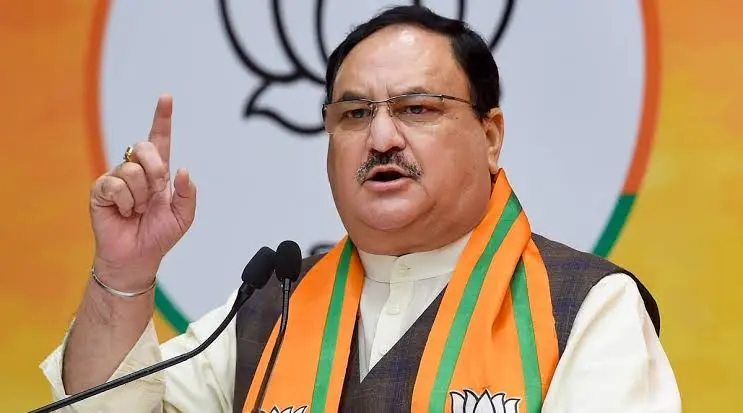
India has intensified its efforts to eliminate tuberculosis (TB), with Union Health Minister J.P. Nadda reaffirming the government’s commitment to making the country TB-free through sustained investment, innovation, and community participation. Speaking on the occasion of World Tuberculosis Day, the minister highlighted the significant progress achieved over the past decade and called for greater collaboration to accelerate the fight against one of the country’s most pressing public health challenges.
According to the minister, India has adopted a comprehensive approach that combines research, technological innovation, advanced diagnostic equipment, and large-scale public engagement to tackle the disease. He noted that the country has made remarkable gains in reducing the burden of tuberculosis, despite continuing to carry one of the highest TB caseloads globally. The government’s strategy has focused on early detection, timely treatment, preventive care, and stronger support systems for affected individuals.
Nadda pointed out that India has recorded a 21 percent decline in tuberculosis cases, a rate that is significantly higher than the global average decline reported by the World Health Organization. At the same time, TB-related mortality has fallen by 25 percent, while treatment success rates have reached 92 percent. These achievements, he said, reflect the effectiveness of coordinated efforts involving government agencies, healthcare professionals, community organizations, and citizens.
A key pillar of the government’s anti-TB campaign has been increased financial commitment. Over the last decade, spending on TB eradication programmes has risen sharply, growing from approximately ₹607 crore in 2014 to more than ₹6,000 crore today. The enhanced investment has enabled the expansion of screening programmes, deployment of advanced diagnostic technologies, and strengthening of healthcare infrastructure dedicated to TB prevention and treatment.
As part of the renewed push, the government launched the 100-Day TB Mukt Bharat Abhiyan, a nationwide campaign aimed at accelerating progress toward elimination of the disease. The initiative seeks to reach vulnerable populations across nearly 1.5 lakh villages and urban wards, focusing on early identification of cases and ensuring access to treatment. The campaign represents a shift from passive detection to proactive outreach, with healthcare teams actively screening communities at higher risk of infection.
Recent government reviews indicate that the campaign has already generated substantial impact. More than 28 crore people have been screened for tuberculosis, around 20 lakh individuals have received preventive treatment, and over 5.7 lakh Nikshay Mitras have joined efforts to support patients. In addition, large-scale awareness programmes, community participation, and the deployment of handheld X-ray machines have significantly expanded the reach of TB detection services across the country.
Minister of State for Health and Family Welfare Anupriya Patel emphasized that India’s sustained efforts are increasingly being recognized as a model for other countries. She noted that the government has consistently prioritised TB elimination through higher budget allocations, policy reforms, and targeted interventions aimed at improving healthcare outcomes.
As India moves closer to its goal of eliminating tuberculosis, health officials stress that continued vigilance, public awareness, and collective action will be essential. The government believes that by combining innovation, investment, and community participation, the country can significantly reduce the disease burden and move toward a healthier future for all citizens.