














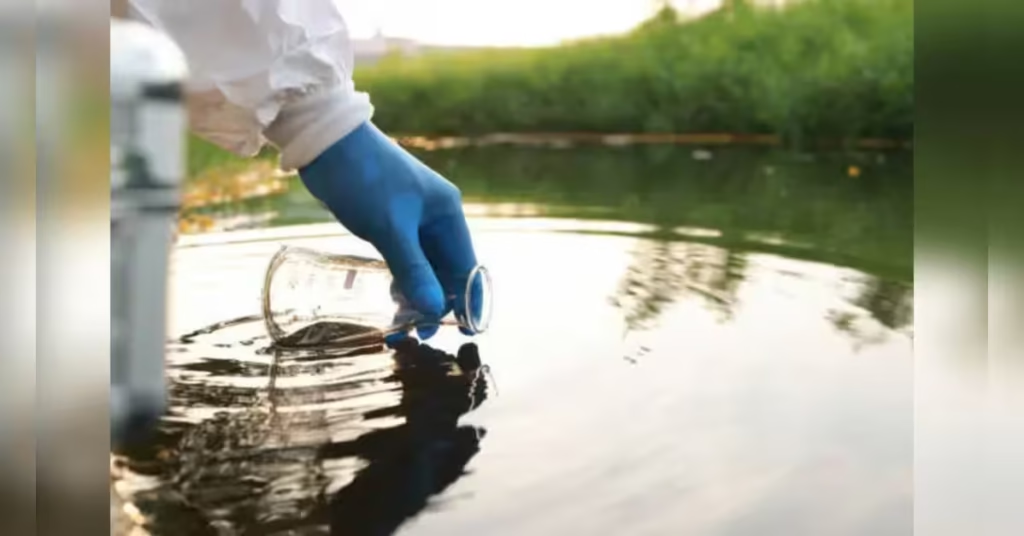
A new molecular testing method could help identify faecal contamination in drinking water much faster than conventional testing, allowing water authorities to respond quickly to potential health risks.
Researchers have developed a rapid real-time reverse transcription polymerase chain reaction (RT-PCR) test that can detect intestinal enterococci, bacteria used as indicators of faecal contamination, within just 3–4 hours. The findings show that the method could improve drinking water safety by reducing the waiting time for test results.
The study found that the new test achieved 94.6% sensitivity, compared with 89.2% for conventional culture-based methods, which usually take 24–48 hours to produce results.
Faster Detection of Water Contamination
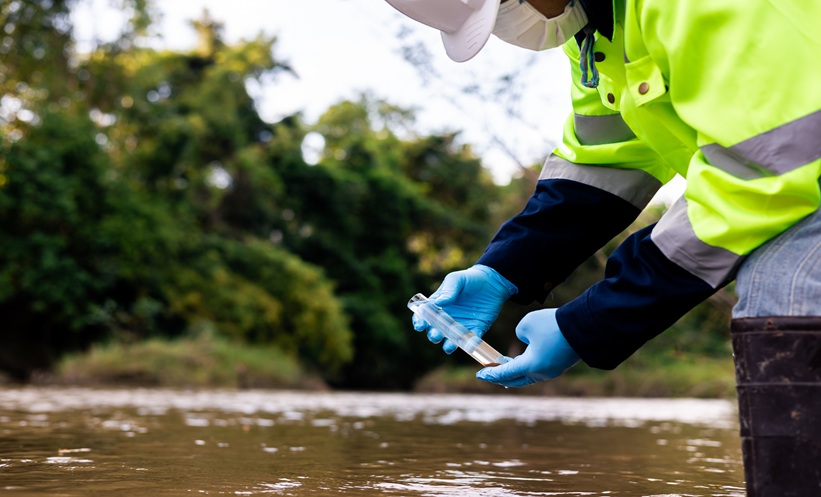
The research focuses on detecting intestinal enterococci, which can indicate possible faecal contamination in drinking water. Their presence may signal a risk to consumers and the need for further investigation.
To make detection faster, researchers developed an RT-PCR assay targeting bacterial 16S ribosomal RNA. The process involves filtering 100 millilitres of water, extracting RNA and analysing the sample using molecular testing.
The assay was tested using contaminated and uncontaminated water samples and evaluated according to international validation standards. Researchers also conducted an interlaboratory study to check whether the method produced consistent results across different laboratories.
The test successfully detected all ten targeted Enterococcus species and showed no cross-reaction with non-target bacteria, supporting its reliability and specificity.
Useful After Water Network Repairs
Researchers also tested the method on drinking water samples collected after repairs to water distribution networks. The rapid test and conventional culture method showed 91.8% agreement.
RT-PCR identified intestinal enterococci more frequently than the traditional method, suggesting it may detect additional positive samples.
The main advantage is speed. Results available within hours could help water utilities investigate suspected contamination sooner and decide whether further sampling or protective action is necessary.
A Step Towards Safer Drinking Water
The researchers concluded that the test offers reliable performance comparable to conventional methods while significantly reducing detection time.
However, detecting bacterial RNA does not always mean that living bacteria are present. Therefore, positive results must be interpreted carefully when assessing health risks.
The new method could strengthen routine water monitoring and support faster responses to contamination events, although laboratories and water authorities will need to consider regulatory requirements and testing capacity before adopting it widely.
For more health-related news