
















The growing popularity of weight-loss drugs has generated optimism about tackling obesity, but public health experts caution that these medicines alone cannot resolve India’s expanding obesity crisis. While newer anti-obesity medications, particularly GLP-1 receptor agonists, have shown promising results in helping people lose weight, specialists argue that obesity is a complex public health challenge requiring broader interventions beyond pharmaceutical treatment.
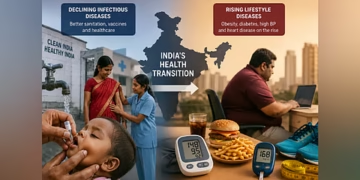
India is witnessing a steady rise in obesity due to changing lifestyles, increasing consumption of processed foods, reduced physical activity, and rapid urbanisation. Health experts warn that obesity is now affecting people across age groups and socio-economic backgrounds, increasing the risk of diabetes, cardiovascular diseases, hypertension, fatty liver disease, and several types of cancer. Addressing these underlying causes, they say, is essential for achieving lasting improvements in public health.
Although medicines such as semaglutide and other GLP-1-based therapies have transformed obesity treatment globally by reducing appetite and supporting significant weight loss, they are intended for carefully selected patients under medical supervision. Doctors emphasise that these medications are not a substitute for healthy eating habits, regular exercise, and long-term behavioural changes. Many patients also regain a substantial portion of the lost weight after discontinuing treatment, highlighting the need for sustained lifestyle modifications alongside medical care.
Experts believe India’s obesity challenge is rooted in environmental and social factors that medicines cannot address on their own. Easy access to calorie-dense foods, aggressive marketing of processed products, sedentary work patterns, limited public spaces for physical activity, and inadequate nutrition awareness all contribute to rising obesity rates. Tackling these issues requires coordinated action involving government agencies, schools, healthcare providers, urban planners, and the food industry.
Public health specialists have called for stronger preventive measures, including improved nutrition education, front-of-pack food labelling, restrictions on the marketing of unhealthy foods to children, promotion of physical activity in schools, and better urban planning that encourages walking and cycling. They argue that preventing obesity through healthier environments is more effective and affordable than relying primarily on medical treatment after people become obese.
Doctors also caution against viewing weight-loss drugs as cosmetic solutions. These medicines are generally recommended for individuals with clinical obesity or those who have obesity-related health conditions, and they should be prescribed only after a comprehensive medical evaluation. Self-medication or misuse can expose people to unnecessary side effects while failing to address the behavioural and environmental factors responsible for weight gain.
Healthcare professionals stress that obesity should be recognised as a chronic disease rather than a personal failure. Effective management requires long-term support that combines balanced nutrition, regular physical activity, psychological counselling where needed, and evidence-based medical treatment. For some patients, medications can play an important role, but only as part of a broader, individualised care plan.
As India faces a growing burden of obesity and related non-communicable diseases, experts maintain that meaningful progress will depend on a comprehensive national strategy focused on prevention, early intervention, healthier lifestyles, and improved access to quality healthcare. While weight-loss drugs offer an important addition to obesity treatment, they are only one element of a much larger solution needed to curb the country’s rising obesity epidemic.