



















Tuberculosis (TB), once referred to as the “white plague” due to its devastating impact in the past, is making a troubling comeback, particularly in the United States and across the world. After years of steady decline, the disease has resurged and is now once again considered one of the deadliest infectious diseases globally, even surpassing COVID-19 in annual fatalities.
One of the key reasons behind this resurgence is the disruption caused by the pandemic. During the COVID-19 crisis, healthcare systems were overwhelmed, leading to reduced testing, delayed diagnoses, and interruptions in TB treatment programs. As a result, many cases went undetected or untreated, allowing the infection to spread further within communities.
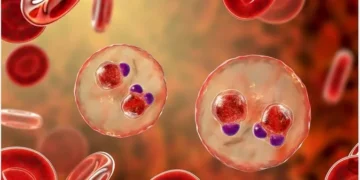
Tuberculosis is caused by a bacterium that spreads through the air when an infected person coughs or sneezes. It primarily affects the lungs but can also damage other organs such as the brain, kidneys, and spine. A major challenge in controlling TB is that its symptoms—such as a persistent cough, chest pain, fever, night sweats, and weight loss—often resemble those of less serious illnesses. This similarity leads to late diagnosis and increases the risk of transmission.
Another serious concern is the rise of drug-resistant TB. When patients fail to complete the long and demanding course of antibiotics, the bacteria can become resistant to standard treatments. These drug-resistant strains are much harder and more expensive to cure, posing a significant threat to global public health systems.
Social and economic factors also play a major role in the spread of TB. Populations with limited access to healthcare, poor nutrition, overcrowded living conditions, and low awareness are particularly vulnerable. Increased global travel and migration further contribute to the spread of the disease across borders.
Despite these challenges, TB is both preventable and treatable. Health experts emphasize that early detection, regular screening, and strict adherence to treatment can significantly reduce its impact. Strengthening healthcare infrastructure, increasing awareness, and investing in research for better vaccines and treatments are seen as crucial steps to control the disease.
In conclusion, the resurgence of tuberculosis serves as a reminder that even long-known diseases can re-emerge if public health efforts weaken. Sustained global attention, improved healthcare access, and community-level interventions are essential to prevent TB from becoming an even greater threat in the years ahead.